Buy logisch.be ?
We are moving the project
logisch.be .
Are you interested in purchasing the domain
logisch.be ?
domain@kv-gmbh.de · 0541-91531010
Buy logisch.be ?
What does nobility mean?
Nobility traditionally refers to a social class of high-ranking individuals, often with hereditary titles and privileges. It can also refer to the qualities of being honorable, virtuous, and having high moral character. In a broader sense, nobility can also encompass the idea of having a dignified and gracious demeanor, as well as a sense of selflessness and service to others. **
What happens to the nobility?
The fate of the nobility varies depending on the specific historical context. In some cases, the nobility may lose their privileges and power as a result of social or political upheaval, such as during a revolution or the transition to a new form of government. In other cases, the nobility may adapt and evolve to maintain their status and influence within society. Overall, the fate of the nobility is often tied to broader changes in political, social, and economic structures. **
Similar search terms for Nobility
Top-Angebote
Products related to Nobility:
-
Is there dark-skinned nobility?
Yes, there are dark-skinned individuals who hold noble titles and are part of noble families in various cultures around the world. In countries such as Nigeria, Ghana, and Ethiopia, there are traditional noble families with dark-skinned members who have held positions of power and influence for generations. Additionally, in countries with a history of colonialism, there are individuals of dark skin who have been granted noble titles by the ruling powers. Overall, nobility is not limited by skin color, and there are dark-skinned individuals who have been and continue to be part of noble families and hold noble titles. **
-
How did the nobility originate?
The nobility originated in medieval Europe as a way to reward and maintain the loyalty of military leaders and landowners who supported the king or other ruling authorities. Over time, these individuals were granted special privileges, such as land ownership, titles, and hereditary rights, which set them apart from the rest of society. This system of hereditary privilege and social status became entrenched over the centuries, leading to the establishment of a distinct noble class. The nobility played a crucial role in the feudal system, providing military service and governance in exchange for land and power. **
-
How can one recognize nobility?
Nobility can be recognized through a person's actions, character, and values. A noble person is often selfless, compassionate, and demonstrates integrity in their dealings with others. They prioritize the well-being of others and are willing to make sacrifices for the greater good. Additionally, nobility is often reflected in a person's humility, grace, and respect for others, regardless of their background or status. **
-
What is your opinion on nobility?
Nobility, historically associated with hereditary titles and privileges, can be seen as an outdated and unjust system that perpetuates inequality and elitism. While some may argue that nobility represents a sense of tradition and honor, I believe that true merit and character should be the basis for respect and admiration, rather than one's lineage or social status. In today's society, it is important to value individuals for their actions and contributions, rather than their noble lineage. **
What are the servants of nobility?
The servants of nobility are individuals who are employed to perform various domestic and personal tasks for members of the noble class. These tasks can include cooking, cleaning, serving meals, running errands, and providing personal care. Servants of nobility are often expected to be discreet, loyal, and dedicated to their employers, and their roles can vary depending on the specific needs and preferences of the noble family they serve. In many historical contexts, the servants of nobility played a crucial role in maintaining the lifestyle and social standing of their employers. **
What is the nobility of office?
The nobility of office refers to the honor, dignity, and responsibility associated with holding a particular position or role. It involves upholding high standards of conduct, serving with integrity and excellence, and carrying out one's duties with a sense of duty and respect. Those who embody the nobility of office are seen as leaders who inspire trust, respect, and admiration from others. **
Top-Angebote
Products related to Nobility:
-
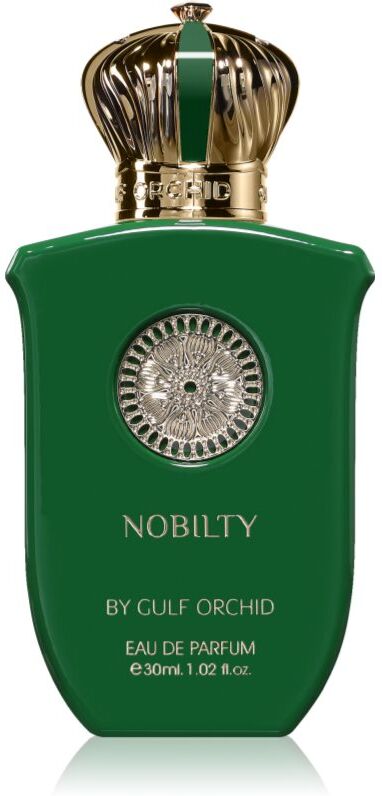
Gulf Orchid Nobility Eau de Parfum mixte 30 mlGulf Orchid Nobility, 30 ml, Eaux de Parfum mixte, Découvrez un parfum exceptionnel qui souligne à merveille la personnalité de celui qui le porte. L'eau de parfum mixte Gulf Orchid Nobility est le parfum par excellence pour faire ressortir votre originalité. parfum boisé parfum oriental parfum de musc un parfum plaisant qui ne cessera de vous captiver un parfum unique qui se prête aux occasions spéciales parfum mixte13,00 €*Shipping: 3,45 €Secure redirect to the provider
-
What does nobility mean?
Nobility traditionally refers to a social class of high-ranking individuals, often with hereditary titles and privileges. It can also refer to the qualities of being honorable, virtuous, and having high moral character. In a broader sense, nobility can also encompass the idea of having a dignified and gracious demeanor, as well as a sense of selflessness and service to others. **
-
What happens to the nobility?
The fate of the nobility varies depending on the specific historical context. In some cases, the nobility may lose their privileges and power as a result of social or political upheaval, such as during a revolution or the transition to a new form of government. In other cases, the nobility may adapt and evolve to maintain their status and influence within society. Overall, the fate of the nobility is often tied to broader changes in political, social, and economic structures. **
-
Is there dark-skinned nobility?
Yes, there are dark-skinned individuals who hold noble titles and are part of noble families in various cultures around the world. In countries such as Nigeria, Ghana, and Ethiopia, there are traditional noble families with dark-skinned members who have held positions of power and influence for generations. Additionally, in countries with a history of colonialism, there are individuals of dark skin who have been granted noble titles by the ruling powers. Overall, nobility is not limited by skin color, and there are dark-skinned individuals who have been and continue to be part of noble families and hold noble titles. **
-
How did the nobility originate?
The nobility originated in medieval Europe as a way to reward and maintain the loyalty of military leaders and landowners who supported the king or other ruling authorities. Over time, these individuals were granted special privileges, such as land ownership, titles, and hereditary rights, which set them apart from the rest of society. This system of hereditary privilege and social status became entrenched over the centuries, leading to the establishment of a distinct noble class. The nobility played a crucial role in the feudal system, providing military service and governance in exchange for land and power. **
Similar search terms for Nobility
-
How can one recognize nobility?
Nobility can be recognized through a person's actions, character, and values. A noble person is often selfless, compassionate, and demonstrates integrity in their dealings with others. They prioritize the well-being of others and are willing to make sacrifices for the greater good. Additionally, nobility is often reflected in a person's humility, grace, and respect for others, regardless of their background or status. **
-
What is your opinion on nobility?
Nobility, historically associated with hereditary titles and privileges, can be seen as an outdated and unjust system that perpetuates inequality and elitism. While some may argue that nobility represents a sense of tradition and honor, I believe that true merit and character should be the basis for respect and admiration, rather than one's lineage or social status. In today's society, it is important to value individuals for their actions and contributions, rather than their noble lineage. **
-
What are the servants of nobility?
The servants of nobility are individuals who are employed to perform various domestic and personal tasks for members of the noble class. These tasks can include cooking, cleaning, serving meals, running errands, and providing personal care. Servants of nobility are often expected to be discreet, loyal, and dedicated to their employers, and their roles can vary depending on the specific needs and preferences of the noble family they serve. In many historical contexts, the servants of nobility played a crucial role in maintaining the lifestyle and social standing of their employers. **
-
What is the nobility of office?
The nobility of office refers to the honor, dignity, and responsibility associated with holding a particular position or role. It involves upholding high standards of conduct, serving with integrity and excellence, and carrying out one's duties with a sense of duty and respect. Those who embody the nobility of office are seen as leaders who inspire trust, respect, and admiration from others. **
* All prices are inclusive of VAT and, if applicable, plus shipping costs. The offer information is based on the details provided by the respective shop and is updated through automated processes. Real-time updates do not occur, so deviations can occur in individual cases. ** Note: Parts of this content were created by AI.