Buy logisch.be ?
We are moving the project
logisch.be .
Are you interested in purchasing the domain
logisch.be ?
domain@kv-gmbh.de · 0541-91531010
Buy logisch.be ?
Is there a difference between a Focusrite Scarlett Solo and a Rode AI-1?
Yes, there are several differences between the Focusrite Scarlett Solo and the Rode AI-1. The Scarlett Solo is a USB audio interface with a single microphone preamp and instrument input, making it suitable for solo recording sessions. On the other hand, the Rode AI-1 also has a single microphone preamp but includes a dedicated headphone output and a pair of balanced line outputs, making it more versatile for different recording setups. Additionally, the AI-1 features a discrete JFET instrument input for capturing high-quality guitar and bass recordings. Ultimately, the choice between the two will depend on the specific needs and preferences of the user. **
Can you watch Sonic the Hedgehog 2 without having seen part 1?
Yes, you can watch Sonic the Hedgehog 2 without having seen the first movie. While watching the first movie may provide some background information on the characters and their relationships, the second movie is designed to stand alone and can be enjoyed without prior knowledge of the first installment. The storyline in Sonic the Hedgehog 2 is self-contained and introduces new characters and plot points that do not rely heavily on the events of the first movie. **


Similar search terms for Ai-Sonic-Solo-1
Top-Angebote
Products related to Ai-Sonic-Solo-1:
-
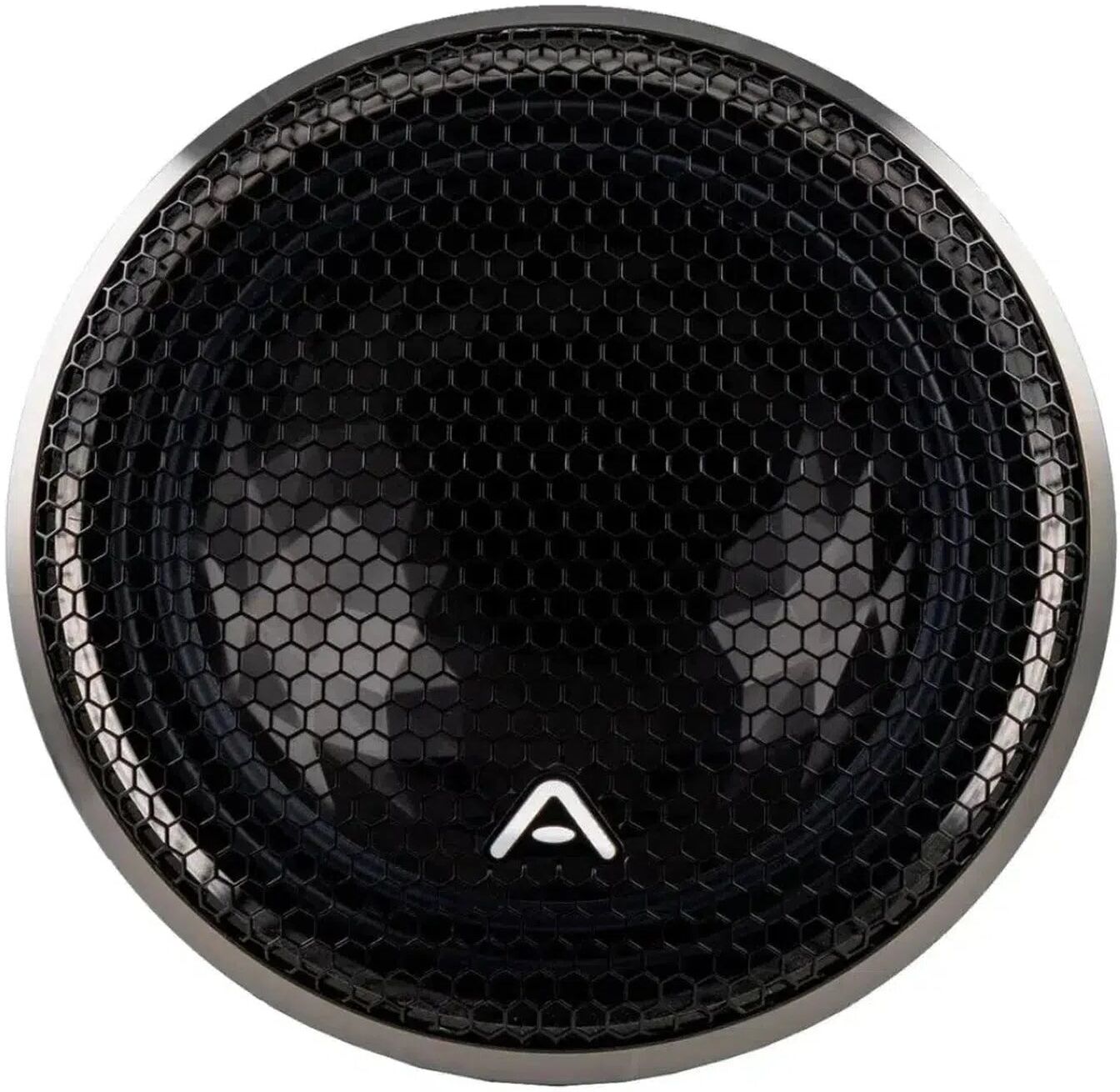
Ai-Sonic Solo 6Ai-Sonic Solo 6 is a 6.5-inch (16.5 cm) mid-bass driver from Ai-Sonic with a hybrid crystal aluminum diaphragm, optimized airflow titanium coil, and die-cast basket. Drop on Top - magnetic grille. Impedance 4 Ohm. Power recommendation 40–200 W, RMS 150 Watts, maximum 300 Watts. Resonance frequency 47.2 Hz, VAS 15.4 liters, Qts 0.484, sound pressure level 1W/1m 86.7 dB. Outer diameter 165 mm, cutout diameter 143 mm, mounting depth 78 mm. Features 6.5-inch (16.5 cm) mid-bass driver Hybrid crystal aluminum diaphragm Optimized airflow titanium coil Die-cast basket Drop on Top - magnetic grille Technical Specifications Impedance: 4 Ohm Power recommendation: 40–200 W RMS power: 150 Watts Maximum power: 300 Watts Resonance frequency: 47.2 Hz VAS: 15.4 liters Qts: 0.484 Sound pressure level 1W/1m: 86.7 dB Outer diameter: 165 mm Cutout diameter: 143 mm Mounting depth: 78 mm300,99 €*Shipping: 0,00 €Secure redirect to the provider
-
Ai-Sonic S2-A1000.1The S2-A1000.1 is a 1-Channel Amplifier of Class D from Ai-Sonic with an operating voltage of 10–16 V. Designed for RMS power at 1, 2, and 4 Ohms at 12 V. Technical specifications include distortion THD < 0.5%, bandwidth 10–200 Hz, and an A-weighted signal-to-noise ratio > 90 dB. The input sensitivity is 0.35–6 V, the low-pass filter is adjustable from 50–200 Hz, and the subsonic filter is 10–50 Hz. The crossover slope is 12 dB/24 dB/octave, and the bass boost is 0–12 dB (@45 Hz). The power supply is via 2x 40 A fuses, dimensions W 183 mm, H 60 mm, L 344 mm. The housing features dark covers and a profile made of brushed black aluminum; when powered on, the Ai-Sonic logo lights up. An optional remote control with LEDs for protection, power, and clipping is available; the bass level controller is sold separately. Features 1-Channel Amplifier Class D Effective power (RMS) 1 Ohm at 12 V: 1000 Watts Effective power (RMS) 2 Ohms at 12 V: 650 Watts Effective power (RMS) 4 Ohms at 12 V: 380 Watts LED-lit Ai-Sonic logo Dark covers and profile made of brushed black aluminum Optional remote control with LEDs for protection, power, and clipping Bass level controller sold separately Technical Specifications Operating voltage 10–16 V Distortion THD < 0.5% Bandwidth 10–200 Hz Signal-to-noise ratio (A-weighted) > 90 dB Input sensitivity 0.35–6 V Low-pass filter 50–200 Hz Subsonic 10–50 Hz Crossover slope 12 dB/24 dB/octave Bass boost 0–12 dB (@45 Hz) Power fuse 2x 40 A Dimensions W 183 mm x H 60 mm x L 344 mm250,65 €*Shipping: 0,00 €Secure redirect to the provider
-
Ai-Sonic S2-A150.2Ai-Sonic S2-A150.2 is a 2-Channel Amplifier of Class AB. Operating voltage 10–16 V, effective power at 12 V: 2x225 Watts RMS at 2 Ohms, 2x150 Watts RMS at 4 Ohms, 1x450 Watts RMS bridged at 4 Ohms. Bandwidth 10 Hz–40 kHz, distortion THD < 0.02 % at 4 Ohms and < 0.04 % at 2 Ohms, signal-to-noise ratio (A-weighted) > 105 dB, channel separation > 45 dB. Input sensitivity 0.5–6 V, low pass x1 50–500 Hz and x10 500 Hz–5 kHz, high pass x1 12–250 Hz and x2 250 Hz–5 kHz, bandpass front 12 Hz–5 kHz. Crossover slope 12 dB/Oct. and bass boost 0/6 dB at 45 Hz, power supply fuse 2x30 A, dimensions 183 x 60 x 374 mm (W x H x L). Finish with dark covers and brushed black aluminum profile, Ai-Sonic logo lights up during operation, optional remote control with three indicator LEDs for protection, power, and clipping; bass level controller sold separately, delivers more power than specified in the technical data. Features 2-Channel Amplifier Class AB Operating voltage 10–16 V 2x225 Watts RMS at 2 Ohms (at 12 V) 2x150 Watts RMS at 4 Ohms (at 12 V) 1x450 Watts RMS bridged at 4 Ohms (at 12 V) Bandwidth 10 Hz–40 kHz Crossover slope 12 dB/Oct. Bass boost 0/6 dB at 45 Hz Finish: dark covers, brushed black aluminum profile Illuminated Ai-Sonic logo during operation Optional remote control with three indicator LEDs (protection, power, clipping) Bass level controller sold separately Technical Specifications Distortion THD < 0.02 % at 4 Ohms; < 0.04 % at 2 Ohms Signal-to-noise ratio (A-weighted) > 105 dB Channel separation > 45 dB Input sensitivity 0.5–6 V Low pass x1: 50–500 Hz Low pass x10: 500 Hz–5 kHz High pass x1: 12–250 Hz High pass x2: 250 Hz–5 kHz Bandpass (front): 12 Hz–5 kHz Power supply fuse 2x30 A Dimensions: Width 183 mm, Height 60 mm, Length 374 mm200,32 €*Shipping: 0,00 €Secure redirect to the provider
-
Ai-Sonic S2-A2200.1The S2-A2200.1 is a 1-Channel Amplifier of Class D from Ai-Sonic. The housing features dark covers and a profile made of brushed black aluminum, and the Ai-Sonic logo lights up when powered on. The voltage range is 10–16 V. The effective power at 12 V is 2200 Watts RMS at 1 Ohm, 1400 Watts RMS at 2 Ohms, and 750 Watts RMS at 4 Ohms. In bridge mode, at 12 V, 4400 Watts RMS is possible at 2 Ohms and 2800 Watts RMS at 4 Ohms. The frequency range extends from 10–200 Hz, with a low-pass filter of 50–200 Hz, a subsonic filter of 10–50 Hz, a crossover slope of 12 dB/24 dB/octave, and bass boost of 0–12 dB at 45 Hz. The S/N ratio (A-weighted) is over 90 dB, the total harmonic distortion (THD) is below 0.5%, and the input sensitivity is 0.35–6 V. An optional remote control with indicator LEDs for protection, power, and clipping is available; a bass level controller is sold separately; the amplifier can be linked with a second S2-A2200.1. Features 1-Channel Amplifier Class D Housing with dark covers and profile made of brushed black aluminum Illuminated Ai-Sonic logo when powered on Optional remote control with indicator LEDs: protection, power, clipping Bass level controller sold separately Linkable with second S2-A2200.1 Technical Specifications Voltage range: 10–16 V Effective power at 12 V (1 Ohm): 2200 Watts RMS Effective power at 12 V (2 Ohms): 1400 Watts RMS Effective power at 12 V (4 Ohms): 750 Watts RMS Bridge mode, at 12 V (2 Ohms): 4400 Watts RMS Bridge mode, at 12 V (4 Ohms): 2800 Watts RMS Total harmonic distortion (THD): < 0.5 % Frequency range: 10–200 Hz S/N ratio (A-weighted): > 90 dB Input sensitivity: 0.35–6 V Low-pass filter: 50–200 Hz Subsonic filter: 10–50 Hz Crossover slope: 12 dB/24 dB/oct Bass boost: 0–12 dB at 45 Hz Recommended fuse: 250 A Width: 183 mm Height: 60 mm Length: 524 mm451,98 €*Shipping: 0,00 €Secure redirect to the provider


-
How many chapters does Volume 1 of Solo Leveling have?
Volume 1 of Solo Leveling has a total of 110 chapters. Each chapter is relatively short, making it easy for readers to consume and enjoy the story at their own pace. This volume sets the stage for the rest of the series and introduces the main characters and the world they inhabit. **
-
Should I take the Mountainbike Rose Count Solo 1 or 2?
The decision between the Mountainbike Rose Count Solo 1 and 2 depends on your specific needs and preferences. The Solo 1 is a single-speed bike, which is great for simplicity and low maintenance, while the Solo 2 has multiple gears for more versatility in different terrains. If you prefer a straightforward and easy-to-maintain bike, the Solo 1 may be the better choice. However, if you anticipate riding in varied terrains and want the option to change gears, the Solo 2 would be more suitable. Consider your riding style and the type of terrain you will be riding on to make the best decision for your needs. **
-
Should I choose the Mountainbike Rose Count Solo 1 or 2?
The decision between the Mountainbike Rose Count Solo 1 and 2 depends on your specific needs and preferences. The Solo 1 may be more suitable if you prefer a simpler design and are looking for a more budget-friendly option. On the other hand, the Solo 2 may offer additional features or upgrades that could enhance your riding experience, such as improved components or suspension. Consider your riding style, terrain, and budget to determine which bike would be the best fit for you. **
-
Sonic toothbrush or rotating?
The choice between a sonic toothbrush and a rotating toothbrush ultimately depends on personal preference and dental needs. Sonic toothbrushes use high-frequency vibrations to clean teeth and gums, while rotating toothbrushes have bristles that spin in a circular motion. Sonic toothbrushes are often preferred for their ability to reach deep between teeth and along the gum line, while rotating toothbrushes may be better for removing surface stains and plaque. It's important to consider factors such as sensitivity, gum health, and specific dental concerns when choosing between the two types of toothbrushes. **


In which episode of Sonic X does the unknown Super Sonic transformation occur?
The unknown Super Sonic transformation occurs in episode 3 of Sonic X, titled "Missile Wrist Rampage." In this episode, Sonic transforms into Super Sonic for the first time in the series in order to save his friends from Dr. Eggman's missile attack. This transformation is a significant moment in the series as it showcases Sonic's incredible power and determination to protect his friends. **
Are Sonic and Tails siblings?
Sonic and Tails are not siblings. They are best friends and partners in their adventures, but they do not share a sibling relationship. Sonic is a blue hedgehog and Tails is a two-tailed fox, and they come from different species in the Sonic the Hedgehog universe. Their bond is based on friendship and teamwork rather than a familial connection. **
Top-Angebote
Products related to Ai-Sonic-Solo-1:
-
Ai-Sonic Solo 1Ai-Sonic Solo 1 is a Dome Tweeter with a 28 mm acoustically optimized silk dome from the manufacturer Ai-Sonic. The model is selected in pairs. A heavy copper chamber and a high-density neodymium magnet are part of the equipment. The impedance is 4 Ohms. The RMS power is 100 Watts, the maximum power is 200 Watts, and the recommended power is 20–100 Watts. The resonance frequency is 730 Hz, and the frequency response is 1.4–30 kHz (recommended 3–30 kHz). The sound pressure level (1 W/1 m) is 91 dB. The dimensions include an outer diameter of 58 mm, a mounting diameter of 52 mm, and a mounting depth of 36 mm. Features Dome Tweeter 28 mm acoustically optimized silk dome Selected in pairs Heavy copper chamber High-density neodymium magnet Technical Specifications Impedance: 4 Ohms Recommended power: 20–100 Watts RMS power: 100 Watts Maximum power: 200 Watts Resonance frequency: 730 Hz Frequency response: 1.4–30 kHz (recommended 3–30 kHz) Sound pressure level (1 W/1 m): 91 dB Outer diameter: 58 mm Mounting diameter: 52 mm Mounting depth: 36 mm703,64 €*Shipping: 0,00 €Secure redirect to the provider
-
Ai-Sonic Solo 3The Solo 3 product is a 3-inch (8 cm) midrange driver from Ai-Sonic with a 4 Ohm impedance. The design is hand-selected and utilizes a lightweight fabric surround as well as an acoustically optimized paper diaphragm. A Drop on Top - magnetic grille and high-density neodymium magnets are integrated. The nominal power handling is 100 Watts RMS, the maximum power is 200 Watts, and the recommended power range is 20–100 Watts. The resonance frequency is 139 Hz, Vas is 0.77 liters, and Qts is 0.64. The sensitivity is 90 dB (1 W/1 m). The outer diameter is 92 mm, the cutout diameter is 77 mm, and the mounting depth is 38 mm. A sealed enclosure of 0.5–1.2 liters or Free-Air is recommended. Features 3-inch (8 cm) midrange driver Impedance: 4 Ohm Power: 100 Watts RMS Maximum power: 200 Watts Recommended power: 20–100 Watts Lightweight fabric surround Acoustically optimized paper diaphragm High-density neodymium magnets Drop on Top - magnetic grille Hand-selected Technical Specifications Resonance frequency: 139 Hz Vas: 0.77 liters Qts: 0.64 SPL 1 W/1 m: 90 dB Outer diameter: 92 mm Cutout diameter: 77 mm Mounting depth: 38 mm Recommended enclosure: sealed 0.5–1.2 liters or Free-Air401,65 €*Shipping: 0,00 €Secure redirect to the provider
-
Ai-Sonic Solo 6Ai-Sonic Solo 6 is a 6.5-inch (16.5 cm) mid-bass driver from Ai-Sonic with a hybrid crystal aluminum diaphragm, optimized airflow titanium coil, and die-cast basket. Drop on Top - magnetic grille. Impedance 4 Ohm. Power recommendation 40–200 W, RMS 150 Watts, maximum 300 Watts. Resonance frequency 47.2 Hz, VAS 15.4 liters, Qts 0.484, sound pressure level 1W/1m 86.7 dB. Outer diameter 165 mm, cutout diameter 143 mm, mounting depth 78 mm. Features 6.5-inch (16.5 cm) mid-bass driver Hybrid crystal aluminum diaphragm Optimized airflow titanium coil Die-cast basket Drop on Top - magnetic grille Technical Specifications Impedance: 4 Ohm Power recommendation: 40–200 W RMS power: 150 Watts Maximum power: 300 Watts Resonance frequency: 47.2 Hz VAS: 15.4 liters Qts: 0.484 Sound pressure level 1W/1m: 86.7 dB Outer diameter: 165 mm Cutout diameter: 143 mm Mounting depth: 78 mm300,99 €*Shipping: 0,00 €Secure redirect to the provider
-
Ai-Sonic S2-A1000.1The S2-A1000.1 is a 1-Channel Amplifier of Class D from Ai-Sonic with an operating voltage of 10–16 V. Designed for RMS power at 1, 2, and 4 Ohms at 12 V. Technical specifications include distortion THD < 0.5%, bandwidth 10–200 Hz, and an A-weighted signal-to-noise ratio > 90 dB. The input sensitivity is 0.35–6 V, the low-pass filter is adjustable from 50–200 Hz, and the subsonic filter is 10–50 Hz. The crossover slope is 12 dB/24 dB/octave, and the bass boost is 0–12 dB (@45 Hz). The power supply is via 2x 40 A fuses, dimensions W 183 mm, H 60 mm, L 344 mm. The housing features dark covers and a profile made of brushed black aluminum; when powered on, the Ai-Sonic logo lights up. An optional remote control with LEDs for protection, power, and clipping is available; the bass level controller is sold separately. Features 1-Channel Amplifier Class D Effective power (RMS) 1 Ohm at 12 V: 1000 Watts Effective power (RMS) 2 Ohms at 12 V: 650 Watts Effective power (RMS) 4 Ohms at 12 V: 380 Watts LED-lit Ai-Sonic logo Dark covers and profile made of brushed black aluminum Optional remote control with LEDs for protection, power, and clipping Bass level controller sold separately Technical Specifications Operating voltage 10–16 V Distortion THD < 0.5% Bandwidth 10–200 Hz Signal-to-noise ratio (A-weighted) > 90 dB Input sensitivity 0.35–6 V Low-pass filter 50–200 Hz Subsonic 10–50 Hz Crossover slope 12 dB/24 dB/octave Bass boost 0–12 dB (@45 Hz) Power fuse 2x 40 A Dimensions W 183 mm x H 60 mm x L 344 mm250,65 €*Shipping: 0,00 €Secure redirect to the provider
-
Is there a difference between a Focusrite Scarlett Solo and a Rode AI-1?
Yes, there are several differences between the Focusrite Scarlett Solo and the Rode AI-1. The Scarlett Solo is a USB audio interface with a single microphone preamp and instrument input, making it suitable for solo recording sessions. On the other hand, the Rode AI-1 also has a single microphone preamp but includes a dedicated headphone output and a pair of balanced line outputs, making it more versatile for different recording setups. Additionally, the AI-1 features a discrete JFET instrument input for capturing high-quality guitar and bass recordings. Ultimately, the choice between the two will depend on the specific needs and preferences of the user. **
-
Can you watch Sonic the Hedgehog 2 without having seen part 1?
Yes, you can watch Sonic the Hedgehog 2 without having seen the first movie. While watching the first movie may provide some background information on the characters and their relationships, the second movie is designed to stand alone and can be enjoyed without prior knowledge of the first installment. The storyline in Sonic the Hedgehog 2 is self-contained and introduces new characters and plot points that do not rely heavily on the events of the first movie. **
-
How many chapters does Volume 1 of Solo Leveling have?
Volume 1 of Solo Leveling has a total of 110 chapters. Each chapter is relatively short, making it easy for readers to consume and enjoy the story at their own pace. This volume sets the stage for the rest of the series and introduces the main characters and the world they inhabit. **
-
Should I take the Mountainbike Rose Count Solo 1 or 2?
The decision between the Mountainbike Rose Count Solo 1 and 2 depends on your specific needs and preferences. The Solo 1 is a single-speed bike, which is great for simplicity and low maintenance, while the Solo 2 has multiple gears for more versatility in different terrains. If you prefer a straightforward and easy-to-maintain bike, the Solo 1 may be the better choice. However, if you anticipate riding in varied terrains and want the option to change gears, the Solo 2 would be more suitable. Consider your riding style and the type of terrain you will be riding on to make the best decision for your needs. **
Similar search terms for Ai-Sonic-Solo-1
-
Ai-Sonic S2-A150.2Ai-Sonic S2-A150.2 is a 2-Channel Amplifier of Class AB. Operating voltage 10–16 V, effective power at 12 V: 2x225 Watts RMS at 2 Ohms, 2x150 Watts RMS at 4 Ohms, 1x450 Watts RMS bridged at 4 Ohms. Bandwidth 10 Hz–40 kHz, distortion THD < 0.02 % at 4 Ohms and < 0.04 % at 2 Ohms, signal-to-noise ratio (A-weighted) > 105 dB, channel separation > 45 dB. Input sensitivity 0.5–6 V, low pass x1 50–500 Hz and x10 500 Hz–5 kHz, high pass x1 12–250 Hz and x2 250 Hz–5 kHz, bandpass front 12 Hz–5 kHz. Crossover slope 12 dB/Oct. and bass boost 0/6 dB at 45 Hz, power supply fuse 2x30 A, dimensions 183 x 60 x 374 mm (W x H x L). Finish with dark covers and brushed black aluminum profile, Ai-Sonic logo lights up during operation, optional remote control with three indicator LEDs for protection, power, and clipping; bass level controller sold separately, delivers more power than specified in the technical data. Features 2-Channel Amplifier Class AB Operating voltage 10–16 V 2x225 Watts RMS at 2 Ohms (at 12 V) 2x150 Watts RMS at 4 Ohms (at 12 V) 1x450 Watts RMS bridged at 4 Ohms (at 12 V) Bandwidth 10 Hz–40 kHz Crossover slope 12 dB/Oct. Bass boost 0/6 dB at 45 Hz Finish: dark covers, brushed black aluminum profile Illuminated Ai-Sonic logo during operation Optional remote control with three indicator LEDs (protection, power, clipping) Bass level controller sold separately Technical Specifications Distortion THD < 0.02 % at 4 Ohms; < 0.04 % at 2 Ohms Signal-to-noise ratio (A-weighted) > 105 dB Channel separation > 45 dB Input sensitivity 0.5–6 V Low pass x1: 50–500 Hz Low pass x10: 500 Hz–5 kHz High pass x1: 12–250 Hz High pass x2: 250 Hz–5 kHz Bandpass (front): 12 Hz–5 kHz Power supply fuse 2x30 A Dimensions: Width 183 mm, Height 60 mm, Length 374 mm200,32 €*Shipping: 0,00 €Secure redirect to the provider
-
Ai-Sonic S2-A2200.1The S2-A2200.1 is a 1-Channel Amplifier of Class D from Ai-Sonic. The housing features dark covers and a profile made of brushed black aluminum, and the Ai-Sonic logo lights up when powered on. The voltage range is 10–16 V. The effective power at 12 V is 2200 Watts RMS at 1 Ohm, 1400 Watts RMS at 2 Ohms, and 750 Watts RMS at 4 Ohms. In bridge mode, at 12 V, 4400 Watts RMS is possible at 2 Ohms and 2800 Watts RMS at 4 Ohms. The frequency range extends from 10–200 Hz, with a low-pass filter of 50–200 Hz, a subsonic filter of 10–50 Hz, a crossover slope of 12 dB/24 dB/octave, and bass boost of 0–12 dB at 45 Hz. The S/N ratio (A-weighted) is over 90 dB, the total harmonic distortion (THD) is below 0.5%, and the input sensitivity is 0.35–6 V. An optional remote control with indicator LEDs for protection, power, and clipping is available; a bass level controller is sold separately; the amplifier can be linked with a second S2-A2200.1. Features 1-Channel Amplifier Class D Housing with dark covers and profile made of brushed black aluminum Illuminated Ai-Sonic logo when powered on Optional remote control with indicator LEDs: protection, power, clipping Bass level controller sold separately Linkable with second S2-A2200.1 Technical Specifications Voltage range: 10–16 V Effective power at 12 V (1 Ohm): 2200 Watts RMS Effective power at 12 V (2 Ohms): 1400 Watts RMS Effective power at 12 V (4 Ohms): 750 Watts RMS Bridge mode, at 12 V (2 Ohms): 4400 Watts RMS Bridge mode, at 12 V (4 Ohms): 2800 Watts RMS Total harmonic distortion (THD): < 0.5 % Frequency range: 10–200 Hz S/N ratio (A-weighted): > 90 dB Input sensitivity: 0.35–6 V Low-pass filter: 50–200 Hz Subsonic filter: 10–50 Hz Crossover slope: 12 dB/24 dB/oct Bass boost: 0–12 dB at 45 Hz Recommended fuse: 250 A Width: 183 mm Height: 60 mm Length: 524 mm451,98 €*Shipping: 0,00 €Secure redirect to the provider
-
Ai-Sonic S3-C6.2Ai-Sonic S3-C6.2 is a 6.5 inch (16.5 cm) 2-way component speaker set from Ai-Sonic. The set uses black aluminum membranes and black aluminum die-cast baskets. It includes 27 mm silk dome neodymium tweeters as well as passive 2-way crossovers for a plug&play connection. An ASV voice coil with 30.5 mm and a 13.2 Oz magnetic structure are integrated. The total power is 360 Watts RMS. The S3-W6 is specified at 100 Watts RMS, while the S3-T27 is specified at 80 Watts RMS. Features 6.5 inch (16.5 cm) speaker set 2-way component system Black aluminum die-cast basket Black aluminum paper composite cone with rubber edge 27 mm silk dome neodymium tweeter Passive 2-way crossover, plug&play connection ASV voice coil 30.5 mm Magnetic structure 13.2 Oz Total power 360 Watts RMS S3-W6 effective power 100 Watts RMS S3-T27 effective power 80 Watts RMS Technical Specifications S3-W6 mid-bass / S3-T27 tweeter FS: 58 Hz / 850 Hz Sensitivity (SPL): 88 dB / 93 dB Qts: 0.54 / n.a. Vas: 11.92 L / n.a. Impedance: 4 Ohm / 4 Ohm Frequency response: 40 Hz – 5 kHz / 2.5 – 30 kHz Power recommendation: 40–180 W / 20–120 W401,65 €*Shipping: 0,00 €Secure redirect to the provider
-
Ai-Sonic S3-T22The S3-T22 Dome Tweeter from Ai-Sonic features a 22 mm silk dome, a CNC-machined aluminum housing, and a high-density neodymium magnet. An acoustically optimized coupled chamber is integrated. The frequency range is 2–30 kHz, with a resonance frequency of 850 Hz. The nominal sound pressure level is 90.5 dB. The dimensions are 49 mm outer diameter, 40 mm cutout diameter, and 20 mm mounting depth. Recommended crossover from 4 kHz. Features Dome Tweeter 22 mm silk dome CNC-machined aluminum housing High-density neodymium magnet Acoustically optimized coupled chamber Technical Specifications Frequency range: 2–30 kHz Recommended crossover: from 4 kHz SPL: 90.5 dB Resonance frequency: 850 Hz Outer diameter: 49 mm Cutout diameter: 40 mm Mounting depth: 20 mm RMS power: 80 W Maximum power: 160 W200,32 €*Shipping: 0,00 €Secure redirect to the provider
-
Should I choose the Mountainbike Rose Count Solo 1 or 2?
The decision between the Mountainbike Rose Count Solo 1 and 2 depends on your specific needs and preferences. The Solo 1 may be more suitable if you prefer a simpler design and are looking for a more budget-friendly option. On the other hand, the Solo 2 may offer additional features or upgrades that could enhance your riding experience, such as improved components or suspension. Consider your riding style, terrain, and budget to determine which bike would be the best fit for you. **
-
Sonic toothbrush or rotating?
The choice between a sonic toothbrush and a rotating toothbrush ultimately depends on personal preference and dental needs. Sonic toothbrushes use high-frequency vibrations to clean teeth and gums, while rotating toothbrushes have bristles that spin in a circular motion. Sonic toothbrushes are often preferred for their ability to reach deep between teeth and along the gum line, while rotating toothbrushes may be better for removing surface stains and plaque. It's important to consider factors such as sensitivity, gum health, and specific dental concerns when choosing between the two types of toothbrushes. **
-
In which episode of Sonic X does the unknown Super Sonic transformation occur?
The unknown Super Sonic transformation occurs in episode 3 of Sonic X, titled "Missile Wrist Rampage." In this episode, Sonic transforms into Super Sonic for the first time in the series in order to save his friends from Dr. Eggman's missile attack. This transformation is a significant moment in the series as it showcases Sonic's incredible power and determination to protect his friends. **
-
Are Sonic and Tails siblings?
Sonic and Tails are not siblings. They are best friends and partners in their adventures, but they do not share a sibling relationship. Sonic is a blue hedgehog and Tails is a two-tailed fox, and they come from different species in the Sonic the Hedgehog universe. Their bond is based on friendship and teamwork rather than a familial connection. **
* All prices are inclusive of VAT and, if applicable, plus shipping costs. The offer information is based on the details provided by the respective shop and is updated through automated processes. Real-time updates do not occur, so deviations can occur in individual cases. ** Note: Parts of this content were created by AI.