Buy logisch.be ?
We are moving the project
logisch.be .
Are you interested in purchasing the domain
logisch.be ?
domain@kv-gmbh.de · 0541-91531010
Buy logisch.be ?
Hello everyone, what is the difference between "à tout à l'heure" and "à tout de suite"?
"À tout à l'heure" and "à tout de suite" are both French expressions used to indicate that you will see someone later. However, "à tout à l'heure" is more casual and can mean "see you later" or "see you in a bit," while "à tout de suite" is more immediate and means "see you soon" or "see you in a moment." The choice between the two depends on the level of immediacy in the meeting or the context in which it is being used. **
Hello people, what is the difference between "à tout à l'heure" and "à tout de suite"?
"À tout à l'heure" and "à tout de suite" are both French expressions used to indicate that you will see someone later. However, "à tout à l'heure" is more casual and implies that the meeting will happen in a little while, while "à tout de suite" is more immediate and suggests that the meeting will happen very soon, almost instantly. **

Similar search terms for COLUMBIA-Doudoune-mi-longue-à
Top-Angebote
Products related to COLUMBIA-Doudoune-mi-longue-à:
-
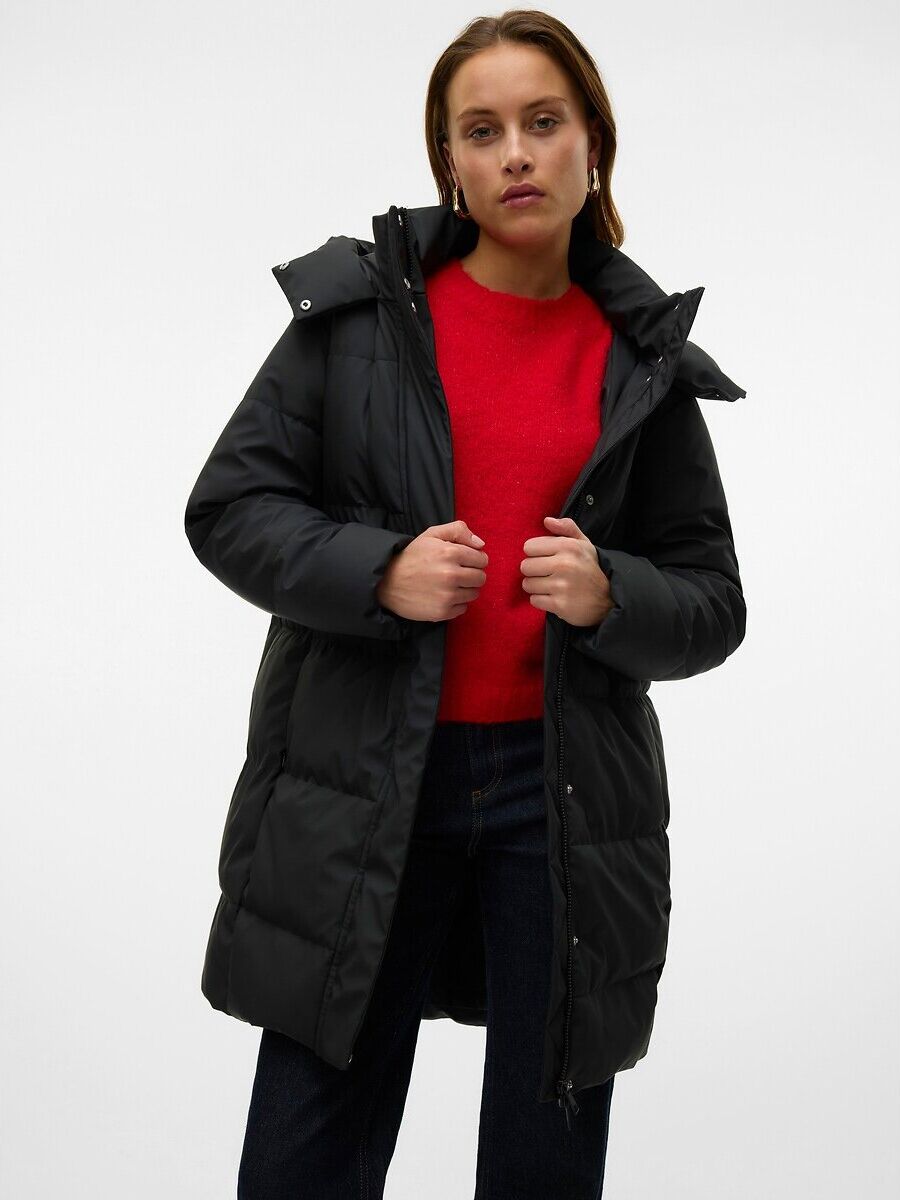
VERO MODA Doudoune mi-longueDétails produit • Longueur : mi-long • Capuche • Fermeture zippée • Capuche fixe Composition et Entretien • 100% polyester • Pour l'entretien, merci de vous référer aux indications figurant sur l'étiquette du produit51,99 €*Shipping: 3,99 €Secure redirect to the provider
-
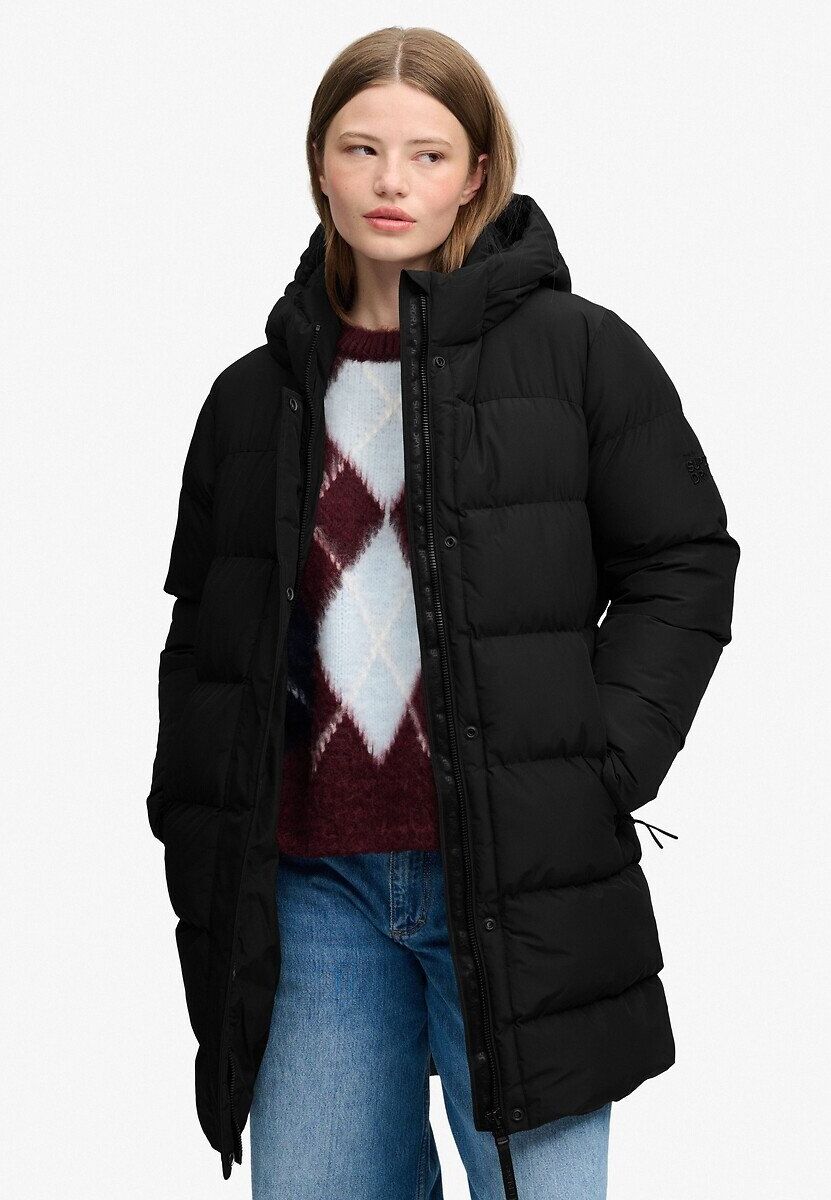
SUPERDRY Doudoune Mi-longue à Capuche SportsDétails produit • Longueur : long • Capuche • Fermeture zippée Composition et Entretien • Matière principale : 100% polyester • Doublure : 100% polyester • Pour l'entretien, merci de vous référer aux indications figurant sur l'étiquette du produit169,99 €*Shipping: 3,99 €Secure redirect to the provider
-
COLUMBIA Doudoune longue fermeture zippée, plein hiverDétails produit • Longueur : long • Capuche • Fermeture zippée • Poches côtés Composition et Entretien • Matière principale : 100% polyester • Doublure : 100% polyamide • Pour l'entretien, merci de vous référer aux indications figurant sur l'étiquette du produit200,00 €*Shipping: 3,99 €Secure redirect to the provider
-
JDY Doudoune mi-longue fermeture zippée, mi-saisonDétails produit • Longueur : mi-long • Col montant • Fermeture zippée Composition et Entretien • 100% polyester • Pour l'entretien, merci de vous référer aux indications figurant sur l'étiquette du produit59,99 €*Shipping: 3,99 €Secure redirect to the provider


-
Hello guys, what is the difference between "à tout à l'heure" and "à tout de suite"?
"À tout à l'heure" and "à tout de suite" are both French expressions used to indicate that you will see someone later. However, "à tout à l'heure" is more commonly used to mean "see you later" when the time frame is a bit longer, such as later in the day. On the other hand, "à tout de suite" is used when the meeting or reunion is happening very soon, almost immediately. **
-
What is a tendu à terre à la seconde en face?
A tendu à terre à la seconde en face is a movement in ballet where the working foot slides along the floor to the side (à la seconde) while the body is facing directly forward (en face). This movement is typically done with the working leg fully stretched and the foot pointed, and it is used to strengthen the legs, improve turnout, and develop precision and control in the feet. The tendu à terre à la seconde en face is a fundamental exercise in ballet that is often used as a warm-up or as part of a combination in a ballet class. **
-
What does "mi corazon, mi corazon" mean?
"Mi corazon, mi corazon" is Spanish for "my heart, my heart." It is a phrase used to express deep emotions and feelings of love and affection. The repetition of the phrase emphasizes the strong emotional connection and significance of the heart in the context of the conversation or situation. **
-
Is it 'mi amore' or 'mi amore' in Spanish?
The correct phrase in Spanish is "mi amor," which translates to "my love" in English. "Amor" is the Spanish word for "love," and the possessive pronoun "mi" means "my." Therefore, the correct phrase to express affection in Spanish is "mi amor." **
When do we use the prepositions à, à la, chez, au, and aux in French?
We use the preposition "à" to indicate a location or destination, to express possession, or to talk about a specific time. "À la" is used before a feminine singular noun to indicate a location or destination. "Chez" is used to indicate going to someone's house or place of business. "Au" is used before a masculine singular noun to indicate a location or destination. "Aux" is used before a plural noun to indicate a location or destination. **
What does à la carte mean?
À la carte is a French term that translates to "according to the menu" in English. In the context of dining, it refers to ordering individual dishes from a menu rather than choosing a set meal or a fixed combination of items. This allows diners to select specific items they want to order, creating a customized dining experience. Each dish is priced separately, and diners can choose as many or as few items as they like. **
Top-Angebote
Products related to COLUMBIA-Doudoune-mi-longue-à:
-
COLUMBIA Doudoune mi-longue à capuche Amaze Puff™Détails produit • Longueur : mi-long • Capuche • Fermeture zippée • Capuche fixe Composition et Entretien • Matière principale : 100% polyester • Secondaire : 82% polyamide, 18% élasthanne • Pour l'entretien, merci de vous référer aux indications figurant sur l'étiquette du produit • PLUMES CERTIFIÉES. Le rembourrage de ce produit est constitué de plumes et de duvets provenant uniquement de canards et d'oies traités sans cruauté.229,50 €*Shipping: 3,99 €Secure redirect to the provider
-
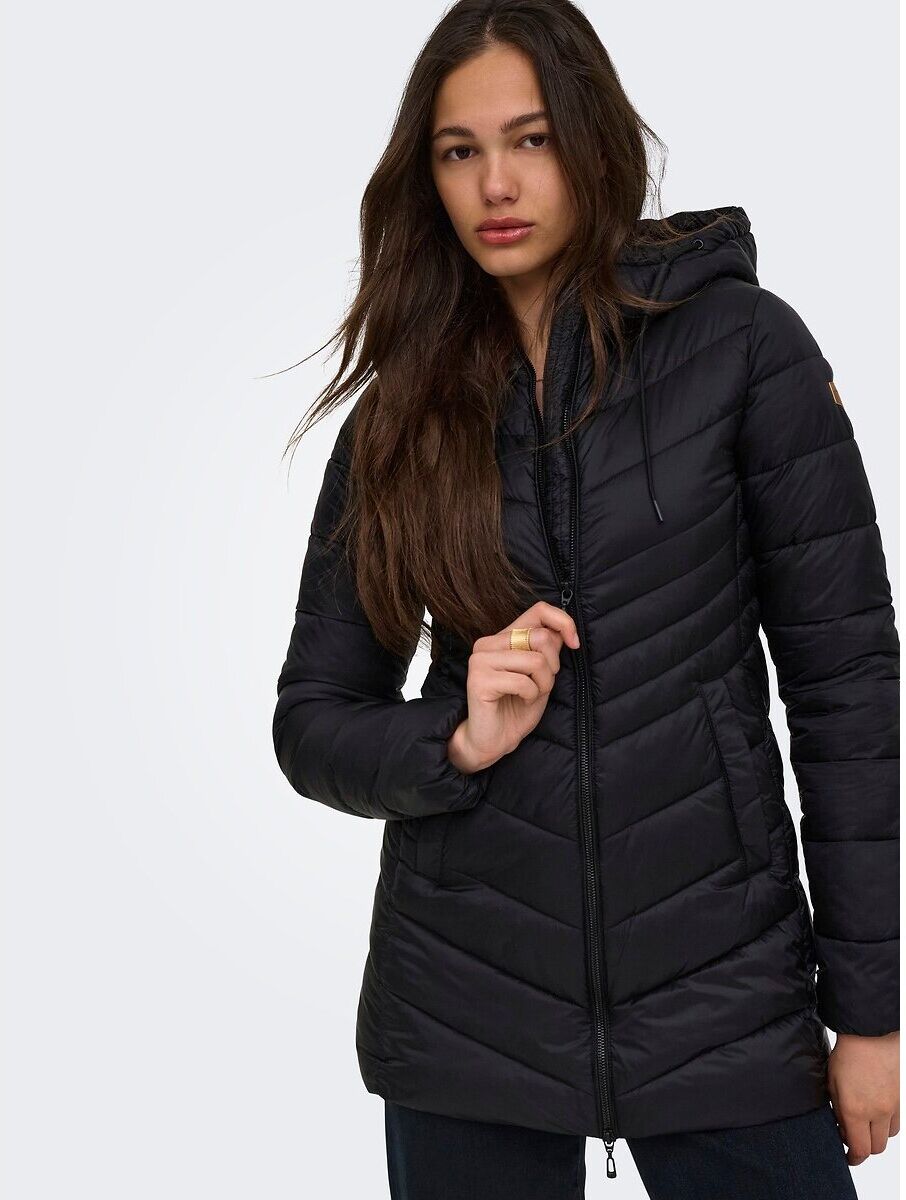
ONLY Doudoune mi-longue à capucheDétails produit • Longueur : mi-long • Capuche réglable par cordon • Fermeture zippée • 2 poches fentes côtés • Étiquette cousue sur la manche Composition et Entretien • 100% polyamide • Pour l'entretien, merci de vous référer aux indications figurant sur l'étiquette du produit69,99 €*Shipping: 3,99 €Secure redirect to the provider
-
VERO MODA Doudoune mi-longueDétails produit • Longueur : mi-long • Capuche • Fermeture zippée • Capuche fixe Composition et Entretien • 100% polyester • Pour l'entretien, merci de vous référer aux indications figurant sur l'étiquette du produit51,99 €*Shipping: 3,99 €Secure redirect to the provider
-
SUPERDRY Doudoune Mi-longue à Capuche SportsDétails produit • Longueur : long • Capuche • Fermeture zippée Composition et Entretien • Matière principale : 100% polyester • Doublure : 100% polyester • Pour l'entretien, merci de vous référer aux indications figurant sur l'étiquette du produit169,99 €*Shipping: 3,99 €Secure redirect to the provider
-
Hello everyone, what is the difference between "à tout à l'heure" and "à tout de suite"?
"À tout à l'heure" and "à tout de suite" are both French expressions used to indicate that you will see someone later. However, "à tout à l'heure" is more casual and can mean "see you later" or "see you in a bit," while "à tout de suite" is more immediate and means "see you soon" or "see you in a moment." The choice between the two depends on the level of immediacy in the meeting or the context in which it is being used. **
-
Hello people, what is the difference between "à tout à l'heure" and "à tout de suite"?
"À tout à l'heure" and "à tout de suite" are both French expressions used to indicate that you will see someone later. However, "à tout à l'heure" is more casual and implies that the meeting will happen in a little while, while "à tout de suite" is more immediate and suggests that the meeting will happen very soon, almost instantly. **
-
Hello guys, what is the difference between "à tout à l'heure" and "à tout de suite"?
"À tout à l'heure" and "à tout de suite" are both French expressions used to indicate that you will see someone later. However, "à tout à l'heure" is more commonly used to mean "see you later" when the time frame is a bit longer, such as later in the day. On the other hand, "à tout de suite" is used when the meeting or reunion is happening very soon, almost immediately. **
-
What is a tendu à terre à la seconde en face?
A tendu à terre à la seconde en face is a movement in ballet where the working foot slides along the floor to the side (à la seconde) while the body is facing directly forward (en face). This movement is typically done with the working leg fully stretched and the foot pointed, and it is used to strengthen the legs, improve turnout, and develop precision and control in the feet. The tendu à terre à la seconde en face is a fundamental exercise in ballet that is often used as a warm-up or as part of a combination in a ballet class. **
Similar search terms for COLUMBIA-Doudoune-mi-longue-à
-
COLUMBIA Doudoune longue fermeture zippée, plein hiverDétails produit • Longueur : long • Capuche • Fermeture zippée • Poches côtés Composition et Entretien • Matière principale : 100% polyester • Doublure : 100% polyamide • Pour l'entretien, merci de vous référer aux indications figurant sur l'étiquette du produit200,00 €*Shipping: 3,99 €Secure redirect to the provider
-
JDY Doudoune mi-longue fermeture zippée, mi-saisonDétails produit • Longueur : mi-long • Col montant • Fermeture zippée Composition et Entretien • 100% polyester • Pour l'entretien, merci de vous référer aux indications figurant sur l'étiquette du produit59,99 €*Shipping: 3,99 €Secure redirect to the provider
-
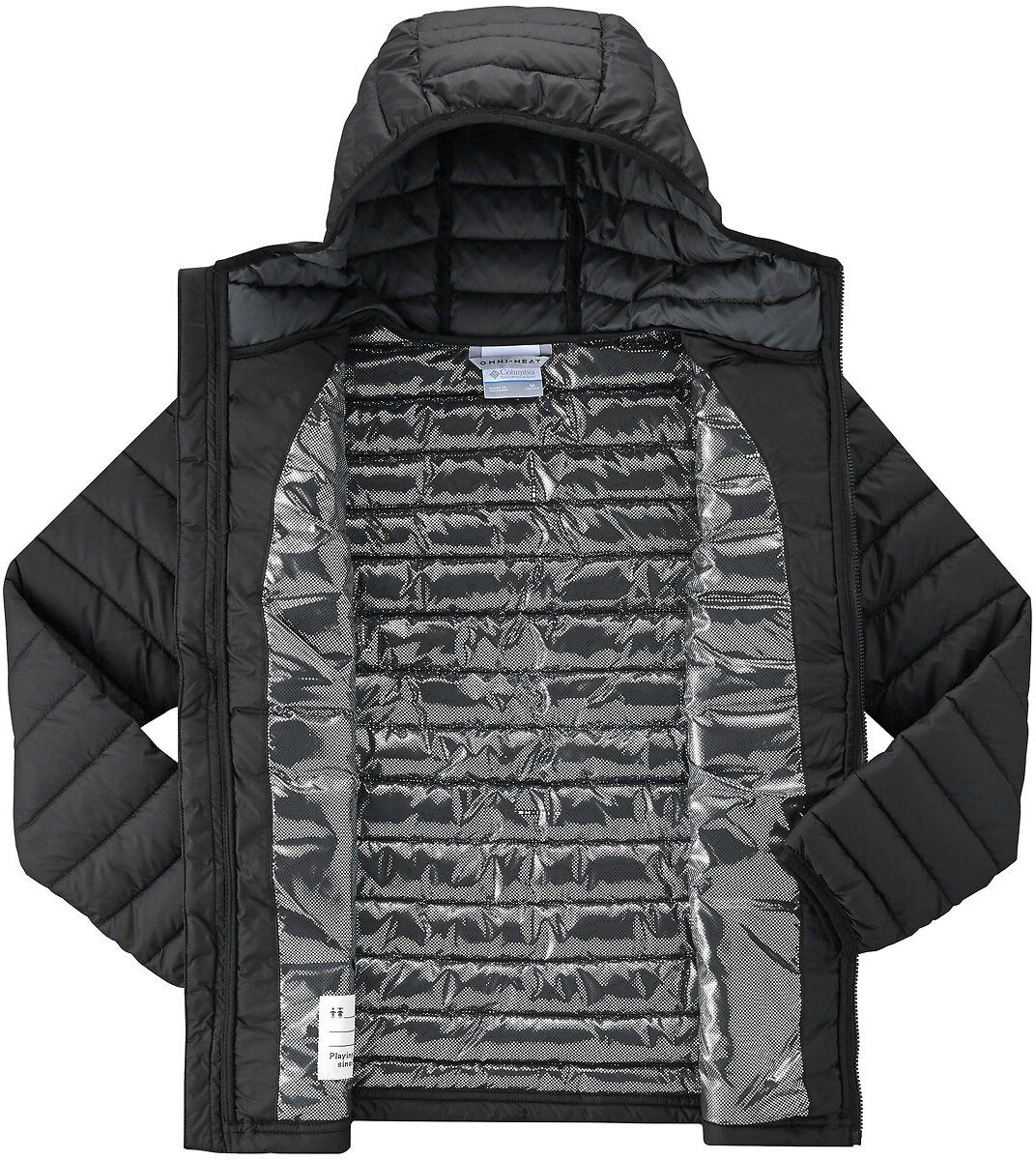
COLUMBIA Doudoune à capucheDétails produit • Mi-saison • Fermeture zippée • Capuche fixe • Logo poitrine • 2 poches devant • Étiquette intérieure tissée pour y inscrire le nom de l'enfant • Longueur : Court Composition et Entretien • 100% polyester • Polyester recyclé au minimum à 50% • Pour l'entretien, merci de vous référer aux indications figurant sur l'étiquette du produit • POLYESTER RECYCLÉ. Utiliser du polyester recyclé, c'est préserver certaines ressources et réduire les déchets. Fiche produit relative aux qualités et caractéristiques environnementales • Origine de fabrication (tissage, teinture, impression, confection) : Bangladesh • Rejette des microfibres plastiques dans l'environnement lors du lavage.64,00 €*Shipping: 3,99 €Secure redirect to the provider
-
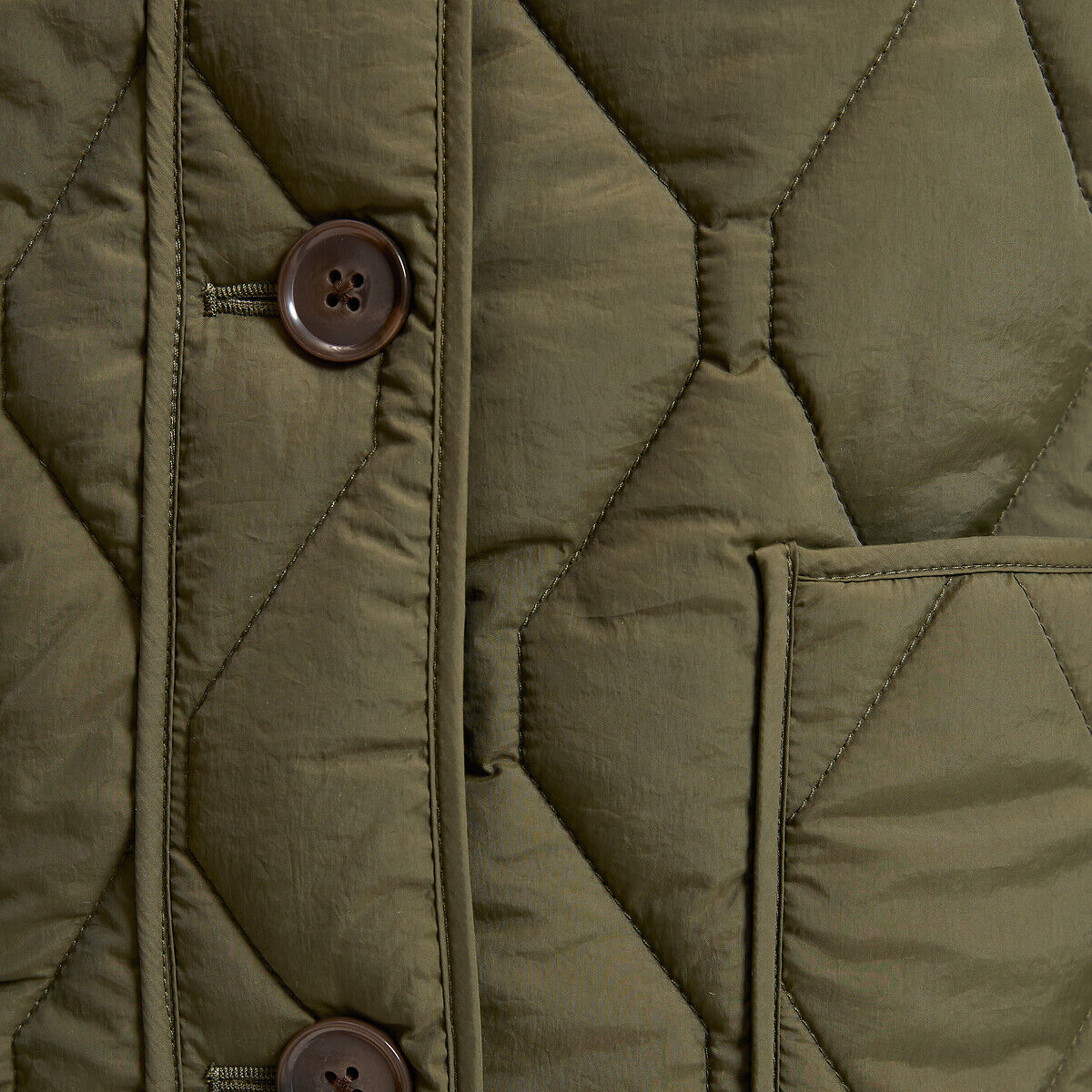
LA REDOUTE COLLECTIONS Veste doudoune mi longueIdéale à la mi-saison, cette veste matelassée est la doudoune light (légère) et chaude parfaite. Avec son col rond, ses poches plaquées et son matelassage losanges, cette veste à manches longues oversize est à la fois casual, élégante et tendance. Détails produit • Longueur : mi-long • Col rond • Manches longues • Fermeture boutonnée devant • 2 poches plaquées devant • Base arrondie devant et dos Composition et Entretien • Matière principale : 100% polyester • Garnissage : 100% polyester • Température de lavage 30° • Ne pas repasser / blanchiment interdit • Séchage en tambour faible • Pas de nettoyage à sec • GARNISSAGE EN POLYESTER RECYCLÉ. Utiliser un garnissage en polyester recyclé, c'est préserver certaines ressources et réduire les déchets. • OEKO-TEX® Standard 100. La labellisation OEKO-TEX® Standard 100 contrôle les substances nocives des produits textiles via un label indépendant et international. Fiche produit relative aux qualités et caractéristiques environnementales • Origine de fabrication (tissage, teinture, confection) : Chine • Rejette des microfibres plastiques dans l'environnement lors du lavage. Dernière mise à jour des informations : 11/03/202645,49 €*Shipping: 3,99 €Secure redirect to the provider
-
What does "mi corazon, mi corazon" mean?
"Mi corazon, mi corazon" is Spanish for "my heart, my heart." It is a phrase used to express deep emotions and feelings of love and affection. The repetition of the phrase emphasizes the strong emotional connection and significance of the heart in the context of the conversation or situation. **
-
Is it 'mi amore' or 'mi amore' in Spanish?
The correct phrase in Spanish is "mi amor," which translates to "my love" in English. "Amor" is the Spanish word for "love," and the possessive pronoun "mi" means "my." Therefore, the correct phrase to express affection in Spanish is "mi amor." **
-
When do we use the prepositions à, à la, chez, au, and aux in French?
We use the preposition "à" to indicate a location or destination, to express possession, or to talk about a specific time. "À la" is used before a feminine singular noun to indicate a location or destination. "Chez" is used to indicate going to someone's house or place of business. "Au" is used before a masculine singular noun to indicate a location or destination. "Aux" is used before a plural noun to indicate a location or destination. **
-
What does à la carte mean?
À la carte is a French term that translates to "according to the menu" in English. In the context of dining, it refers to ordering individual dishes from a menu rather than choosing a set meal or a fixed combination of items. This allows diners to select specific items they want to order, creating a customized dining experience. Each dish is priced separately, and diners can choose as many or as few items as they like. **
* All prices are inclusive of VAT and, if applicable, plus shipping costs. The offer information is based on the details provided by the respective shop and is updated through automated processes. Real-time updates do not occur, so deviations can occur in individual cases. ** Note: Parts of this content were created by AI.