Buy logisch.be ?
We are moving the project
logisch.be .
Are you interested in purchasing the domain
logisch.be ?
domain@kv-gmbh.de · 0541-91531010
Buy logisch.be ?
'Roman-German Emperors'
The Roman-German Emperors were a series of Holy Roman Emperors who ruled over the Holy Roman Empire from the Middle Ages to the early modern period. They were considered the successors to the ancient Roman Emperors and sought to establish their authority over the territories of the former Western Roman Empire. The title of Roman-German Emperor was meant to signify their dual role as rulers of both the Roman and Germanic peoples. The most famous Roman-German Emperor was Charlemagne, who was crowned Emperor of the Romans by Pope Leo III in 800 AD. The title continued to be used by subsequent Holy Roman Emperors until the dissolution of the Holy Roman Empire in 1806. **
Roman-German Emperors
The term "Roman-German Emperors" refers to the Holy Roman Emperors, who were rulers of the Holy Roman Empire from the Middle Ages until its dissolution in 1806. The title of Holy Roman Emperor was created in the 10th century and was held by various monarchs who claimed to be the successors of the ancient Roman emperors. The Holy Roman Emperors were elected by a group of German princes and were considered the highest secular authority in the Holy Roman Empire, which was a complex political entity that encompassed parts of modern-day Germany, Italy, and other European countries. **
Similar search terms for Emperors
Top-Angebote
Products related to Emperors:
-
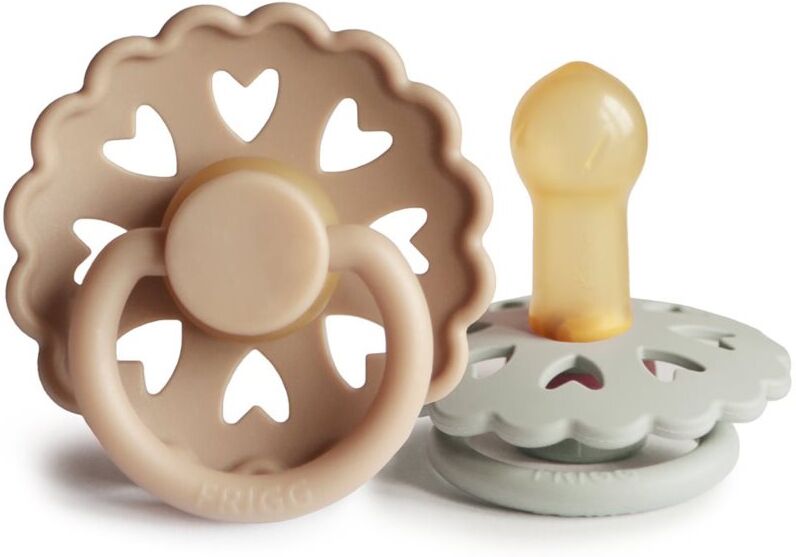
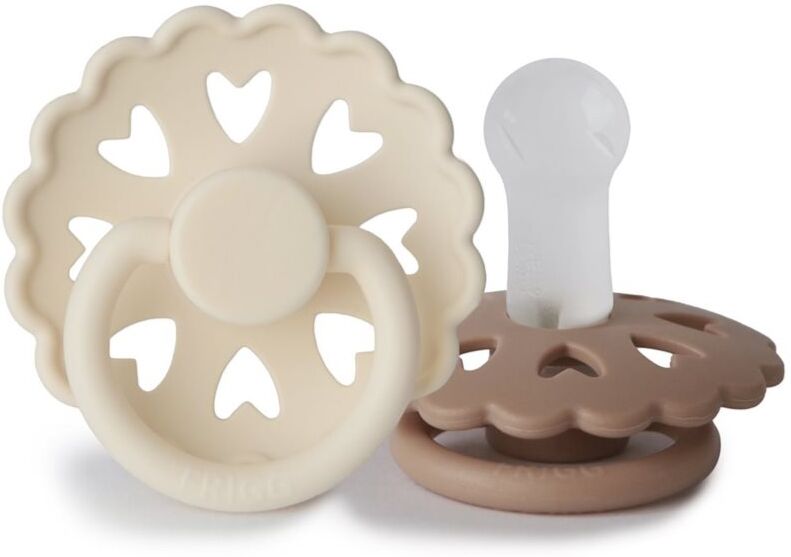
FRIGG Fairytale Round Silicone 2-Pack Size 1 tétine The Ugly Duckling/The Emperors New Clothes 2 pcsFRIGG Fairytale Round Silicone 2-Pack Size 1, 2 pcs, Tétines pour enfant, Optez pour un moyen d'apaiser votre bébé largement testé et approuvé. La tétine FRIGG Fairytale Round Silicone 2-Pack Size 1 procure instantanément à votre bébé un sentiment de sécurité. Elle deviendra rapidement un accessoire pratique et utile au quotidien. Le produit : favorise le bon développement des gencives et des dents bonne aération tétine fine forme ergonomique n’interfère pas avec le réflexe de succion Composition du produit : silicone Mode d’emploi : Choisissez toujours une tétine dont la taille est adaptée à l’âge de votre bébé.8,80 €*Shipping: 3,45 €Secure redirect to the provider
-
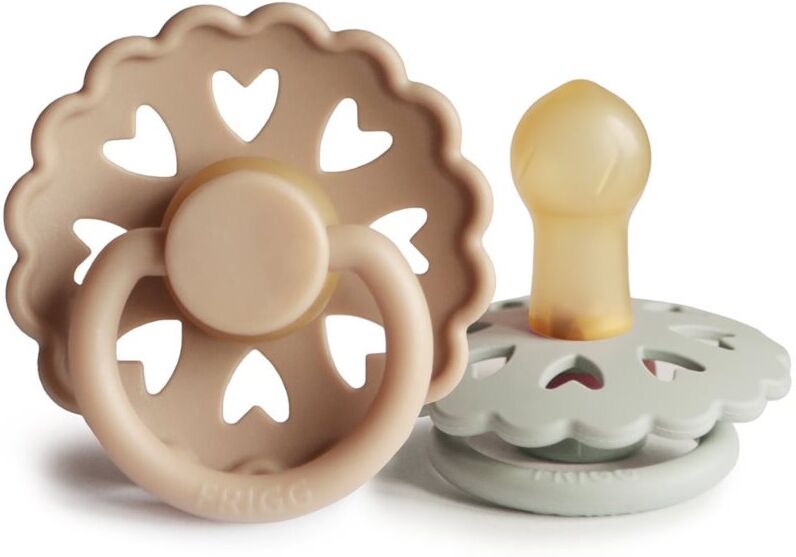
FRIGG Round Latex The Emperors New Clothes/Clumsy Hans tétine Size 1 2 pcsFRIGG Round Latex The Emperors New Clothes/Clumsy Hans, 2 pcs, Tétines pour enfant, Optez pour un moyen d'apaiser votre bébé largement testé et approuvé. La tétine FRIGG Round Latex The Emperors New Clothes/Clumsy Hans procure instantanément à votre bébé un sentiment de sécurité. Elle deviendra rapidement un accessoire pratique et utile au quotidien. Le produit : tétine fine forme symétrique s'adapte à la forme du palais de l'enfant facile à attacher au clip Composition du produit : latex Mode d’emploi : Choisissez toujours une tétine dont la taille est adaptée à l’âge de votre bébé.8,80 €*Shipping: 3,45 €Secure redirect to the provider

-
Roman-German emperors
The term "Roman-German emperors" refers to the Holy Roman Emperors, who were rulers of the Holy Roman Empire from the Middle Ages to the early 19th century. These emperors were considered the successors to the rulers of the ancient Roman Empire and were elected by a group of German princes. The Holy Roman Emperors held significant political and religious power in Central Europe, although their authority was often challenged by regional rulers and the papacy. The title of Holy Roman Emperor was officially abolished in 1806 following the dissolution of the Holy Roman Empire. **
-
Holy Roman Emperors
The Holy Roman Emperors were rulers of the Holy Roman Empire, a complex political entity in central Europe that existed from 800 to 1806. They were elected by a group of powerful princes and bishops known as the Electoral College. The title of Holy Roman Emperor was considered to be the highest temporal authority in Europe, although the actual power of the emperors varied greatly throughout the history of the empire. Some of the most famous Holy Roman Emperors include Charlemagne, Otto the Great, and Charles V. **
-
"Roman-German Emperors"
The term "Roman-German Emperors" refers to the Holy Roman Emperors, who were rulers of a political entity in Central Europe that existed from 962 to 1806. The title of Holy Roman Emperor was created in the 10th century by Otto I, King of Germany, and it symbolized the revival of the Roman Empire in the West. The Holy Roman Emperors were considered the successors of the ancient Roman Emperors and were elected by a group of German princes. The empire was a complex political entity that encompassed parts of modern-day Germany, Italy, and other European territories. **
-
'German Kings and Emperors'
German Kings and Emperors were the rulers of the Holy Roman Empire, a complex political entity that existed from the 10th century to the 19th century. The title of King of the Germans was initially held by the elected ruler of the Germanic tribes, and later by the ruler of the East Frankish Kingdom. The title of Holy Roman Emperor was created in the 10th century and was held by the ruler of the Holy Roman Empire, which included territories in modern-day Germany, Austria, Switzerland, and parts of Italy. The position of German King and Holy Roman Emperor was often contested and led to power struggles and conflicts within the empire. **
List of Roman-German Emperors
1. Otto I (936-973) 2. Otto II (973-983) 3. Otto III (983-1002) 4. Henry II (1002-1024) 5. Conrad II (1024-1039) 6. Henry III (1039-1056) 7. Henry IV (1056-1106) 8. Henry V (1106-1125) 9. Lothair II (1125-1137) 10. Conrad III (1138-1152) 11. Frederick I (1155-1190) 12. Henry VI (1191-1197) 13. Otto IV (1209-1215) 14. Frederick II (1212-1250) 15. Conrad IV (1250-1254) **
'List of Roman-German Emperors'
The Roman-German Emperors were a series of Holy Roman Emperors who were elected by the German princes and ruled over the Holy Roman Empire from the 10th to the 18th century. Some notable Roman-German Emperors include Otto I, also known as Otto the Great, who was crowned Emperor in 962 and is considered one of the most powerful medieval rulers. Another significant Emperor was Frederick Barbarossa, who reigned from 1155 to 1190 and played a key role in the politics of the time. The last Roman-German Emperor was Francis II, who abdicated in 1806 following the dissolution of the Holy Roman Empire. **
Top-Angebote
Products related to Emperors:
-
FRIGG Round Latex The Emperors New Clothes/Clumsy Hans tétine Size 2 2 pcsFRIGG Round Latex The Emperors New Clothes/Clumsy Hans, 2 pcs, Tétines pour enfant, Optez pour un moyen d'apaiser votre bébé largement testé et approuvé. La tétine FRIGG Round Latex The Emperors New Clothes/Clumsy Hans procure instantanément à votre bébé un sentiment de sécurité. Elle deviendra rapidement un accessoire pratique et utile au quotidien. Le produit : tétine fine forme symétrique s'adapte à la forme du palais de l'enfant facile à attacher au clip Composition du produit : latex Mode d’emploi : Choisissez toujours une tétine dont la taille est adaptée à l’âge de votre bébé.8,80 €*Shipping: 3,45 €Secure redirect to the provider
-
FRIGG Fairytale Round Silicone 2-Pack Size 2 tétine The Ugly Duckling/The Emperors New Clothes 2 pcsFRIGG Fairytale Round Silicone 2-Pack Size 2, 2 pcs, Tétines pour enfant, Optez pour un moyen d'apaiser votre bébé largement testé et approuvé. La tétine FRIGG Fairytale Round Silicone 2-Pack Size 2 procure instantanément à votre bébé un sentiment de sécurité. Elle deviendra rapidement un accessoire pratique et utile au quotidien. Le produit : favorise le bon développement des gencives et des dents bonne aération forme ergonomique tétine fine n’interfère pas avec le réflexe de succion Composition du produit : silicone Mode d’emploi : Choisissez toujours une tétine dont la taille est adaptée à l’âge de votre bébé.8,80 €*Shipping: 3,45 €Secure redirect to the provider
-
FRIGG Fairytale Round Silicone 2-Pack Size 1 tétine The Ugly Duckling/The Emperors New Clothes 2 pcsFRIGG Fairytale Round Silicone 2-Pack Size 1, 2 pcs, Tétines pour enfant, Optez pour un moyen d'apaiser votre bébé largement testé et approuvé. La tétine FRIGG Fairytale Round Silicone 2-Pack Size 1 procure instantanément à votre bébé un sentiment de sécurité. Elle deviendra rapidement un accessoire pratique et utile au quotidien. Le produit : favorise le bon développement des gencives et des dents bonne aération tétine fine forme ergonomique n’interfère pas avec le réflexe de succion Composition du produit : silicone Mode d’emploi : Choisissez toujours une tétine dont la taille est adaptée à l’âge de votre bébé.8,80 €*Shipping: 3,45 €Secure redirect to the provider
-
FRIGG Round Latex The Emperors New Clothes/Clumsy Hans tétine Size 1 2 pcsFRIGG Round Latex The Emperors New Clothes/Clumsy Hans, 2 pcs, Tétines pour enfant, Optez pour un moyen d'apaiser votre bébé largement testé et approuvé. La tétine FRIGG Round Latex The Emperors New Clothes/Clumsy Hans procure instantanément à votre bébé un sentiment de sécurité. Elle deviendra rapidement un accessoire pratique et utile au quotidien. Le produit : tétine fine forme symétrique s'adapte à la forme du palais de l'enfant facile à attacher au clip Composition du produit : latex Mode d’emploi : Choisissez toujours une tétine dont la taille est adaptée à l’âge de votre bébé.8,80 €*Shipping: 3,45 €Secure redirect to the provider
-
'Roman-German Emperors'
The Roman-German Emperors were a series of Holy Roman Emperors who ruled over the Holy Roman Empire from the Middle Ages to the early modern period. They were considered the successors to the ancient Roman Emperors and sought to establish their authority over the territories of the former Western Roman Empire. The title of Roman-German Emperor was meant to signify their dual role as rulers of both the Roman and Germanic peoples. The most famous Roman-German Emperor was Charlemagne, who was crowned Emperor of the Romans by Pope Leo III in 800 AD. The title continued to be used by subsequent Holy Roman Emperors until the dissolution of the Holy Roman Empire in 1806. **
-
Roman-German Emperors
The term "Roman-German Emperors" refers to the Holy Roman Emperors, who were rulers of the Holy Roman Empire from the Middle Ages until its dissolution in 1806. The title of Holy Roman Emperor was created in the 10th century and was held by various monarchs who claimed to be the successors of the ancient Roman emperors. The Holy Roman Emperors were elected by a group of German princes and were considered the highest secular authority in the Holy Roman Empire, which was a complex political entity that encompassed parts of modern-day Germany, Italy, and other European countries. **
-
Roman-German emperors
The term "Roman-German emperors" refers to the Holy Roman Emperors, who were rulers of the Holy Roman Empire from the Middle Ages to the early 19th century. These emperors were considered the successors to the rulers of the ancient Roman Empire and were elected by a group of German princes. The Holy Roman Emperors held significant political and religious power in Central Europe, although their authority was often challenged by regional rulers and the papacy. The title of Holy Roman Emperor was officially abolished in 1806 following the dissolution of the Holy Roman Empire. **
-
Holy Roman Emperors
The Holy Roman Emperors were rulers of the Holy Roman Empire, a complex political entity in central Europe that existed from 800 to 1806. They were elected by a group of powerful princes and bishops known as the Electoral College. The title of Holy Roman Emperor was considered to be the highest temporal authority in Europe, although the actual power of the emperors varied greatly throughout the history of the empire. Some of the most famous Holy Roman Emperors include Charlemagne, Otto the Great, and Charles V. **
Similar search terms for Emperors
-
"Roman-German Emperors"
The term "Roman-German Emperors" refers to the Holy Roman Emperors, who were rulers of a political entity in Central Europe that existed from 962 to 1806. The title of Holy Roman Emperor was created in the 10th century by Otto I, King of Germany, and it symbolized the revival of the Roman Empire in the West. The Holy Roman Emperors were considered the successors of the ancient Roman Emperors and were elected by a group of German princes. The empire was a complex political entity that encompassed parts of modern-day Germany, Italy, and other European territories. **
-
'German Kings and Emperors'
German Kings and Emperors were the rulers of the Holy Roman Empire, a complex political entity that existed from the 10th century to the 19th century. The title of King of the Germans was initially held by the elected ruler of the Germanic tribes, and later by the ruler of the East Frankish Kingdom. The title of Holy Roman Emperor was created in the 10th century and was held by the ruler of the Holy Roman Empire, which included territories in modern-day Germany, Austria, Switzerland, and parts of Italy. The position of German King and Holy Roman Emperor was often contested and led to power struggles and conflicts within the empire. **
-
List of Roman-German Emperors
1. Otto I (936-973) 2. Otto II (973-983) 3. Otto III (983-1002) 4. Henry II (1002-1024) 5. Conrad II (1024-1039) 6. Henry III (1039-1056) 7. Henry IV (1056-1106) 8. Henry V (1106-1125) 9. Lothair II (1125-1137) 10. Conrad III (1138-1152) 11. Frederick I (1155-1190) 12. Henry VI (1191-1197) 13. Otto IV (1209-1215) 14. Frederick II (1212-1250) 15. Conrad IV (1250-1254) **
-
'List of Roman-German Emperors'
The Roman-German Emperors were a series of Holy Roman Emperors who were elected by the German princes and ruled over the Holy Roman Empire from the 10th to the 18th century. Some notable Roman-German Emperors include Otto I, also known as Otto the Great, who was crowned Emperor in 962 and is considered one of the most powerful medieval rulers. Another significant Emperor was Frederick Barbarossa, who reigned from 1155 to 1190 and played a key role in the politics of the time. The last Roman-German Emperor was Francis II, who abdicated in 1806 following the dissolution of the Holy Roman Empire. **
* All prices are inclusive of VAT and, if applicable, plus shipping costs. The offer information is based on the details provided by the respective shop and is updated through automated processes. Real-time updates do not occur, so deviations can occur in individual cases. ** Note: Parts of this content were created by AI.