Buy logisch.be ?
We are moving the project
logisch.be .
Are you interested in purchasing the domain
logisch.be ?
domain@kv-gmbh.de · 0541-91531010
Buy logisch.be ?
Is it competitive or non-competitive inhibition?
It is non-competitive inhibition. This is because the inhibitor binds to an allosteric site on the enzyme, which is different from the active site where the substrate binds. This type of inhibition does not compete with the substrate for binding to the enzyme, hence the name non-competitive inhibition. **
Non-competitive inhibition, right?
Non-competitive inhibition is a type of enzyme inhibition where the inhibitor binds to a site on the enzyme that is not the active site. This binding causes a conformational change in the enzyme, making it less effective at catalyzing the reaction. Non-competitive inhibitors do not compete with the substrate for binding to the enzyme. Instead, they can bind to the enzyme-substrate complex or to a separate allosteric site on the enzyme. **

Similar search terms for Non-competitive
Top-Angebote
Products related to Non-competitive:
-
CONVERSE Sweat à capuche en molleton non grattéDétails produit • A capuche • Col rond • Manches longues • Longueur : standard • Logo devant • Molleton léger Composition et Entretien • 56% coton, 44% polyester • Pour l'entretien, merci de vous référer aux indications figurant sur l'étiquette du produit26,60 €*Shipping: 3,99 €Secure redirect to the provider
-
PUMA Ensemble sweat et jogging en molleton non grattéDétails produit • Sweat • Taille : standard • Pantalon • Taille élastiquée Composition et Entretien • 100% polyester • Pour l'entretien, merci de vous référer aux indications figurant sur l'étiquette du produit24,50 €*Shipping: 3,99 €Secure redirect to the provider
-
vidaXL Dessus de table bois massif non traité bordure assortieDonnez une nouvelle vie à votre table avec ce dessus de table en bois. C'est une excellente solution pour renouveler votre table à la maison ou dans un cadre commercial. Bois de chêne massif : le dessus de table est en bois de chêne massif, un matériau naturel d'une grande beauté. Le bois de chêne a une couleur marron moyen et un grain dense, ce qui contribue à son aspect unique. Applications polyvalentes : le dessus de table de remplacement peut être combiné avec différentes bases en fonction de vos besoins. Surface non traitée : comme le panneau de remplacement est fabriqué en bois de chêne massif sans finition, vous pouvez conserver sa couleur naturelle, mais aussi le peindre ou le laquer comme vous le souhaitez. Fabriqué à la main avec un bord vif : le tableau de bricolage est méticuleusement fabriqué à la main et présente un bord vivant qui ajoute à son charme naturel. Ainsi, les nœuds, les fissures, les formes légèrement incurvées et les nuances de couleur font partie du bois de chêne. Chaque pièce présente un caractère unique. La livraison est aléatoire, ce qui garantit l'exclusivité et l'individualité de votre produit. Bon à savoir : En tant que produit naturel, le bois peut présenter des nœuds et des imperfections que nous remplissons avec des garnitures noires pour garantir un aspect lisse.72,99 €*Shipping: 0,00 €Secure redirect to the provider
-
vidaXL Étagère "flottante" 40x20x2 cm bois d'acacia massif non traitéTransformez votre mur nu en un élément de décoration et un espace de rangement pratique et efficace pour votre espace de vie grâce à cette étagère "flottante" en bois ! Matériau robuste et stable : le bois d'acacia massif est connu pour sa solidité et sa durabilité. Ses couleurs variées et ses grains uniques lui confèrent un aspect attrayant. Avec une excellente stabilité et résistance aux intempéries, il est idéal pour la fabrication de mobilier d'intérieur et d'extérieur. Surface non traitée : cette étagère est fabriquée en bois d'acacia non traité et vous pouvez conserver sa couleur naturelle ou la personnaliser avec de la peinture ou de la laque selon vos préférences. Bricolage aléatoire : vous pouvez disposer les étagères de manière aléatoire, par exemple de droite à gauche, de haut en bas, ou en forme d'échelle. En utilisant plusieurs étagères murales, vous pouvez créer des motifs uniques et personnalisés. Gain de place : cette étagère flottante optimise l'espace mural inutilisé en le transformant en un espace de rangement compact et efficace. Multifonctionnelle : cette étagère murale polyvalente peut être utilisée dans différents environnements, tels que la cuisine, la salle de bain, le salon, la chambre à coucher, le bureau, le garage, etc. Bon à savoir : Chaque article est unique, avec des variations de couleurs et de grains. La livraison est aléatoire, ce qui garantit l'exclusivité et l'individualité de votre produit. La livraison comprend une seule étagère murale. Les vis et les supports ne sont pas inclus dans la livraison.19,40 €*Shipping: 0,00 €Secure redirect to the provider


-
What is the difference between competitive and non-competitive inhibition?
Competitive inhibition occurs when a molecule competes with the substrate for the active site of the enzyme, thus reducing the enzyme's ability to bind with the substrate. Non-competitive inhibition, on the other hand, occurs when a molecule binds to a site on the enzyme other than the active site, causing a conformational change in the enzyme that reduces its activity. In competitive inhibition, increasing the substrate concentration can overcome the inhibition, while in non-competitive inhibition, increasing the substrate concentration does not alleviate the inhibition. **
-
Is non-competitive inhibition irreversible or reversible?
Non-competitive inhibition is a type of enzyme inhibition that is reversible. In non-competitive inhibition, the inhibitor binds to the enzyme at a site other than the active site, causing a conformational change in the enzyme that reduces its activity. This type of inhibition can be overcome by increasing the substrate concentration, as it does not involve permanent alteration of the enzyme. **
-
What is an example of non-competitive inhibition?
An example of non-competitive inhibition is the binding of an allosteric inhibitor to an enzyme at a site other than the active site. This binding causes a conformational change in the enzyme, which reduces its activity and prevents the substrate from binding to the active site. This type of inhibition does not compete with the substrate for binding to the active site, hence the term "non-competitive." An example of this is the binding of ATP to the enzyme phosphofructokinase in glycolysis, which inhibits its activity. **
-
Can you give me an example of competitive and non-competitive inhibition in biology?
Sure! In competitive inhibition, a molecule similar in structure to the substrate competes with the substrate for the active site of the enzyme. This prevents the substrate from binding to the enzyme and carrying out its normal function. An example of this is the drug statins, which competitively inhibit the enzyme HMG-CoA reductase, involved in cholesterol synthesis. In non-competitive inhibition, a molecule binds to the enzyme at a location other than the active site, causing a conformational change in the enzyme that reduces its activity. An example of this is the poison cyanide, which non-competitively inhibits the enzyme cytochrome c oxidase in the electron transport chain, disrupting cellular respiration. **

Is allosteric inhibition the same as non-competitive inhibition?
Allosteric inhibition and non-competitive inhibition are not the same, although they are related. Non-competitive inhibition refers to the binding of an inhibitor to a site on the enzyme that is not the active site, thereby preventing the substrate from binding to the active site. Allosteric inhibition, on the other hand, occurs when an inhibitor binds to a site on the enzyme that is distinct from the active site, causing a conformational change in the enzyme that reduces its activity. While both types of inhibition involve the binding of an inhibitor to a site other than the active site, allosteric inhibition specifically involves a change in the enzyme's shape and activity. **
What is the difference between non-competitive and allosteric inhibition?
Non-competitive inhibition occurs when an inhibitor binds to an enzyme at a site other than the active site, causing a conformational change that prevents the substrate from binding. This type of inhibition is not affected by the concentration of the substrate. On the other hand, allosteric inhibition occurs when an inhibitor binds to an allosteric site on the enzyme, causing a conformational change that reduces the enzyme's activity. Allosteric inhibition is often reversible and can be overcome by increasing the concentration of the substrate. **
Top-Angebote
Products related to Non-competitive:
-
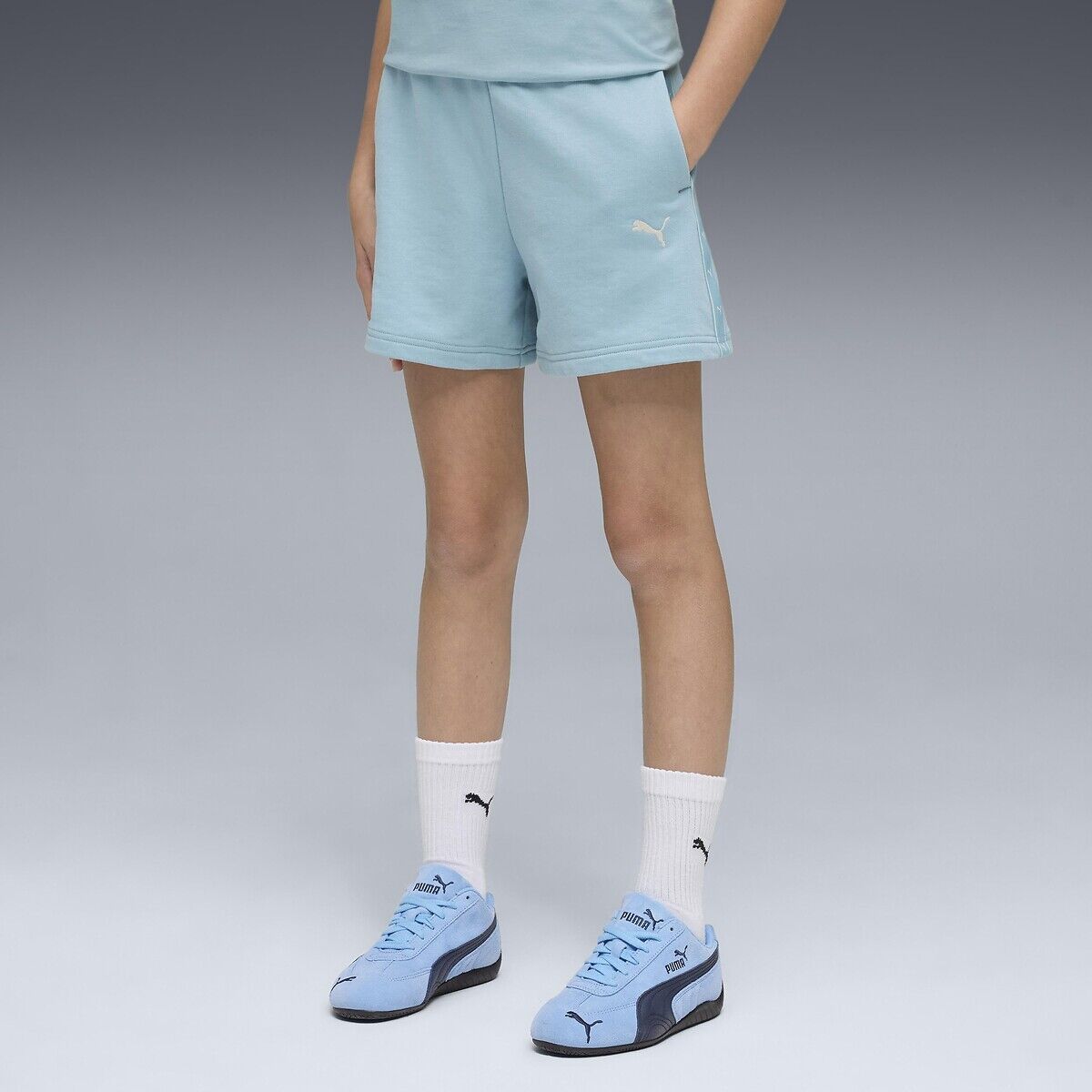
PUMA Short en molleton non grattéDétails produit • Taille : standard • Taille élastiquée Composition et Entretien • 42% coton, 32% polyester, 26% polycoton • Pour l'entretien, merci de vous référer aux indications figurant sur l'étiquette du produit16,10 €*Shipping: 3,99 €Secure redirect to the provider
-
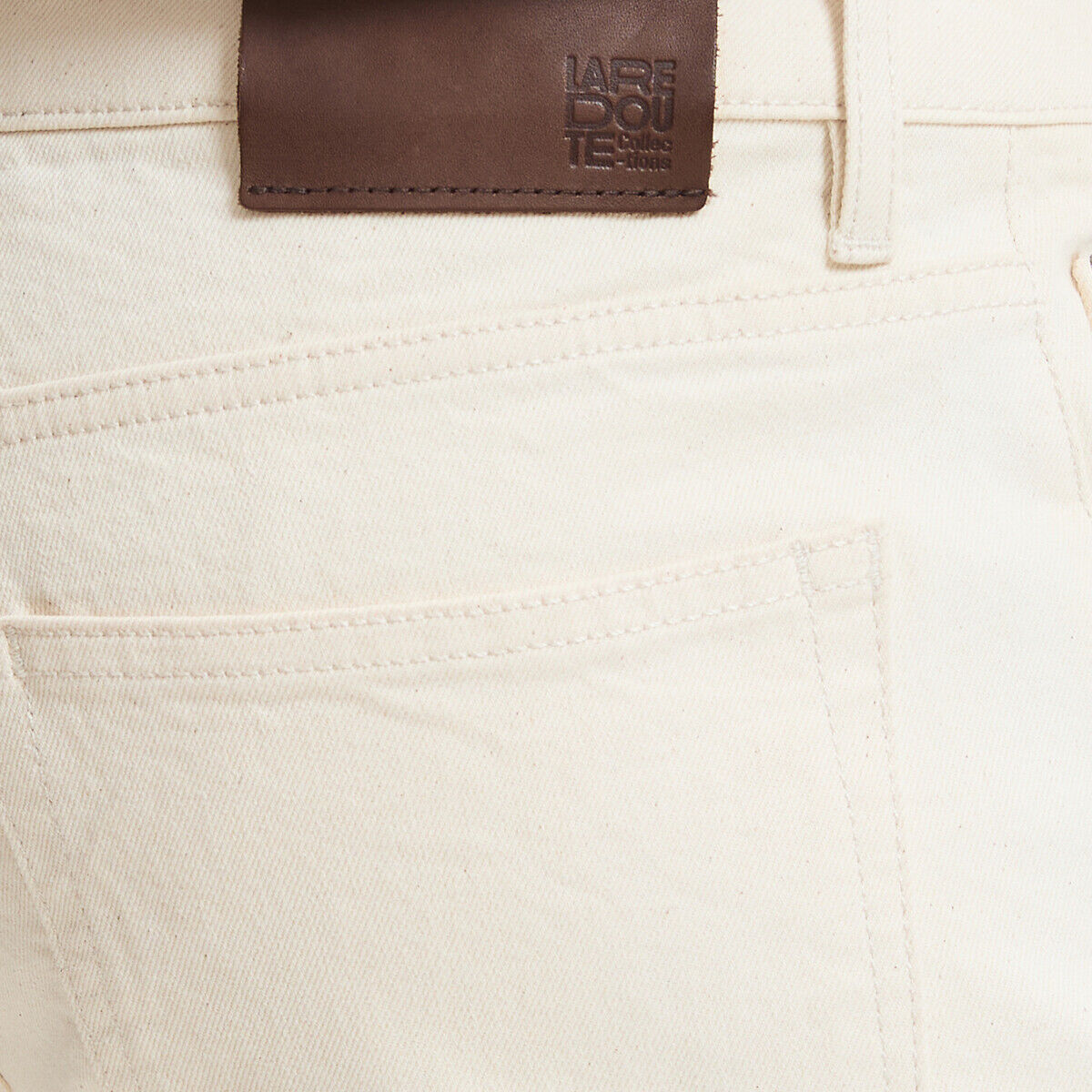
LA REDOUTE COLLECTIONS Jean non teint régularDétails produit • Regular, droit • Taille standard • Coupe 5 poches • Ceinture à passants boutonnée Mesures du produit en taille 40/M • Longueur de l’entrejambe : 81 cm • Largeur du bas : 19,5 cm Composition et Entretien • 98% coton, 2% élasthanne • Température de lavage 40° cycle délicat • Température de repassage moyenne / blanchiment interdit • Séchage en tambour faible • Pas de nettoyage à sec • COTON ISSU DE L'AGRICULTURE BIOLOGIQUE. L’agriculture biologique exclut tous produits chimiques, pesticides, insecticides et OGM. Une production dont l’impact sur la biodiversité est réduit. • DÉLAVAGE ÉCONOME EN EAU. Ce délavage permet de réduire la consommation d’eau utilisée par rapport à un délavage classique.32,49 €*Shipping: 3,99 €Secure redirect to the provider
-
CONVERSE Sweat à capuche en molleton non grattéDétails produit • A capuche • Col rond • Manches longues • Longueur : standard • Logo devant • Molleton léger Composition et Entretien • 56% coton, 44% polyester • Pour l'entretien, merci de vous référer aux indications figurant sur l'étiquette du produit26,60 €*Shipping: 3,99 €Secure redirect to the provider
-
PUMA Ensemble sweat et jogging en molleton non grattéDétails produit • Sweat • Taille : standard • Pantalon • Taille élastiquée Composition et Entretien • 100% polyester • Pour l'entretien, merci de vous référer aux indications figurant sur l'étiquette du produit24,50 €*Shipping: 3,99 €Secure redirect to the provider
-
Is it competitive or non-competitive inhibition?
It is non-competitive inhibition. This is because the inhibitor binds to an allosteric site on the enzyme, which is different from the active site where the substrate binds. This type of inhibition does not compete with the substrate for binding to the enzyme, hence the name non-competitive inhibition. **
-
Non-competitive inhibition, right?
Non-competitive inhibition is a type of enzyme inhibition where the inhibitor binds to a site on the enzyme that is not the active site. This binding causes a conformational change in the enzyme, making it less effective at catalyzing the reaction. Non-competitive inhibitors do not compete with the substrate for binding to the enzyme. Instead, they can bind to the enzyme-substrate complex or to a separate allosteric site on the enzyme. **
-
What is the difference between competitive and non-competitive inhibition?
Competitive inhibition occurs when a molecule competes with the substrate for the active site of the enzyme, thus reducing the enzyme's ability to bind with the substrate. Non-competitive inhibition, on the other hand, occurs when a molecule binds to a site on the enzyme other than the active site, causing a conformational change in the enzyme that reduces its activity. In competitive inhibition, increasing the substrate concentration can overcome the inhibition, while in non-competitive inhibition, increasing the substrate concentration does not alleviate the inhibition. **
-
Is non-competitive inhibition irreversible or reversible?
Non-competitive inhibition is a type of enzyme inhibition that is reversible. In non-competitive inhibition, the inhibitor binds to the enzyme at a site other than the active site, causing a conformational change in the enzyme that reduces its activity. This type of inhibition can be overcome by increasing the substrate concentration, as it does not involve permanent alteration of the enzyme. **
Similar search terms for Non-competitive
-
vidaXL Dessus de table bois massif non traité bordure assortieDonnez une nouvelle vie à votre table avec ce dessus de table en bois. C'est une excellente solution pour renouveler votre table à la maison ou dans un cadre commercial. Bois de chêne massif : le dessus de table est en bois de chêne massif, un matériau naturel d'une grande beauté. Le bois de chêne a une couleur marron moyen et un grain dense, ce qui contribue à son aspect unique. Applications polyvalentes : le dessus de table de remplacement peut être combiné avec différentes bases en fonction de vos besoins. Surface non traitée : comme le panneau de remplacement est fabriqué en bois de chêne massif sans finition, vous pouvez conserver sa couleur naturelle, mais aussi le peindre ou le laquer comme vous le souhaitez. Fabriqué à la main avec un bord vif : le tableau de bricolage est méticuleusement fabriqué à la main et présente un bord vivant qui ajoute à son charme naturel. Ainsi, les nœuds, les fissures, les formes légèrement incurvées et les nuances de couleur font partie du bois de chêne. Chaque pièce présente un caractère unique. La livraison est aléatoire, ce qui garantit l'exclusivité et l'individualité de votre produit. Bon à savoir : En tant que produit naturel, le bois peut présenter des nœuds et des imperfections que nous remplissons avec des garnitures noires pour garantir un aspect lisse.72,99 €*Shipping: 0,00 €Secure redirect to the provider
-
vidaXL Étagère "flottante" 40x20x2 cm bois d'acacia massif non traitéTransformez votre mur nu en un élément de décoration et un espace de rangement pratique et efficace pour votre espace de vie grâce à cette étagère "flottante" en bois ! Matériau robuste et stable : le bois d'acacia massif est connu pour sa solidité et sa durabilité. Ses couleurs variées et ses grains uniques lui confèrent un aspect attrayant. Avec une excellente stabilité et résistance aux intempéries, il est idéal pour la fabrication de mobilier d'intérieur et d'extérieur. Surface non traitée : cette étagère est fabriquée en bois d'acacia non traité et vous pouvez conserver sa couleur naturelle ou la personnaliser avec de la peinture ou de la laque selon vos préférences. Bricolage aléatoire : vous pouvez disposer les étagères de manière aléatoire, par exemple de droite à gauche, de haut en bas, ou en forme d'échelle. En utilisant plusieurs étagères murales, vous pouvez créer des motifs uniques et personnalisés. Gain de place : cette étagère flottante optimise l'espace mural inutilisé en le transformant en un espace de rangement compact et efficace. Multifonctionnelle : cette étagère murale polyvalente peut être utilisée dans différents environnements, tels que la cuisine, la salle de bain, le salon, la chambre à coucher, le bureau, le garage, etc. Bon à savoir : Chaque article est unique, avec des variations de couleurs et de grains. La livraison est aléatoire, ce qui garantit l'exclusivité et l'individualité de votre produit. La livraison comprend une seule étagère murale. Les vis et les supports ne sont pas inclus dans la livraison.19,40 €*Shipping: 0,00 €Secure redirect to the provider
-
PUMA Short en molleton non grattéDétails produit • Taille : standard • Taille élastiquée Composition et Entretien • 42% coton, 32% polyester, 26% polycoton • Pour l'entretien, merci de vous référer aux indications figurant sur l'étiquette du produit19,60 €*Shipping: 3,99 €Secure redirect to the provider
-
vidaXL Dessus de table bois massif non traité bordure assortieDonnez une nouvelle vie à votre table avec ce dessus de table en bois. C'est une excellente solution pour renouveler votre table à la maison ou dans un cadre commercial. Bois de chêne massif : le dessus de table est en bois de chêne massif, un matériau naturel d'une grande beauté. Le bois de chêne a une couleur marron moyen et un grain dense, ce qui contribue à son aspect unique. Applications polyvalentes : le dessus de table de remplacement peut être combiné avec différentes bases en fonction de vos besoins. Surface non traitée : comme le panneau de remplacement est fabriqué en bois de chêne massif sans finition, vous pouvez conserver sa couleur naturelle, mais aussi le peindre ou le laquer comme vous le souhaitez. Fabriqué à la main avec un bord vif : le tableau de bricolage est méticuleusement fabriqué à la main et présente un bord vivant qui ajoute à son charme naturel. Ainsi, les nœuds, les fissures, les formes légèrement incurvées et les nuances de couleur font partie du bois de chêne. Chaque pièce présente un caractère unique. La livraison est aléatoire, ce qui garantit l'exclusivité et l'individualité de votre produit. Bon à savoir : En tant que produit naturel, le bois peut présenter des nœuds et des imperfections que nous remplissons avec des garnitures noires pour garantir un aspect lisse.72,99 €*Shipping: 0,00 €Secure redirect to the provider
-
What is an example of non-competitive inhibition?
An example of non-competitive inhibition is the binding of an allosteric inhibitor to an enzyme at a site other than the active site. This binding causes a conformational change in the enzyme, which reduces its activity and prevents the substrate from binding to the active site. This type of inhibition does not compete with the substrate for binding to the active site, hence the term "non-competitive." An example of this is the binding of ATP to the enzyme phosphofructokinase in glycolysis, which inhibits its activity. **
-
Can you give me an example of competitive and non-competitive inhibition in biology?
Sure! In competitive inhibition, a molecule similar in structure to the substrate competes with the substrate for the active site of the enzyme. This prevents the substrate from binding to the enzyme and carrying out its normal function. An example of this is the drug statins, which competitively inhibit the enzyme HMG-CoA reductase, involved in cholesterol synthesis. In non-competitive inhibition, a molecule binds to the enzyme at a location other than the active site, causing a conformational change in the enzyme that reduces its activity. An example of this is the poison cyanide, which non-competitively inhibits the enzyme cytochrome c oxidase in the electron transport chain, disrupting cellular respiration. **
-
Is allosteric inhibition the same as non-competitive inhibition?
Allosteric inhibition and non-competitive inhibition are not the same, although they are related. Non-competitive inhibition refers to the binding of an inhibitor to a site on the enzyme that is not the active site, thereby preventing the substrate from binding to the active site. Allosteric inhibition, on the other hand, occurs when an inhibitor binds to a site on the enzyme that is distinct from the active site, causing a conformational change in the enzyme that reduces its activity. While both types of inhibition involve the binding of an inhibitor to a site other than the active site, allosteric inhibition specifically involves a change in the enzyme's shape and activity. **
-
What is the difference between non-competitive and allosteric inhibition?
Non-competitive inhibition occurs when an inhibitor binds to an enzyme at a site other than the active site, causing a conformational change that prevents the substrate from binding. This type of inhibition is not affected by the concentration of the substrate. On the other hand, allosteric inhibition occurs when an inhibitor binds to an allosteric site on the enzyme, causing a conformational change that reduces the enzyme's activity. Allosteric inhibition is often reversible and can be overcome by increasing the concentration of the substrate. **
* All prices are inclusive of VAT and, if applicable, plus shipping costs. The offer information is based on the details provided by the respective shop and is updated through automated processes. Real-time updates do not occur, so deviations can occur in individual cases. ** Note: Parts of this content were created by AI.