Buy logisch.be ?
We are moving the project
logisch.be .
Are you interested in purchasing the domain
logisch.be ?
domain@kv-gmbh.de · 0541-91531010
Buy logisch.be ?
What are anatomical adaptations?
Anatomical adaptations are physical characteristics or features of an organism that have evolved over time to help it survive and thrive in its environment. These adaptations can include changes in the size, shape, structure, or function of body parts such as limbs, organs, or sensory organs. Anatomical adaptations are often the result of natural selection, where individuals with traits that are better suited to their environment are more likely to survive and reproduce, passing on those advantageous traits to future generations. These adaptations can help organisms to obtain food, avoid predators, find mates, and generally improve their chances of survival and reproductive success. **
What is the simple explanation for anatomical morphological homology and anatomical morphological analogy?
Anatomical morphological homology refers to similarities in the structure of different organisms that are inherited from a common ancestor. These similarities are due to shared evolutionary history and can help scientists understand the relationships between different species. On the other hand, anatomical morphological analogy refers to similarities in structure between different organisms that are not due to shared ancestry but rather to similar environmental pressures leading to convergent evolution. This means that organisms develop similar traits independently in response to similar environmental challenges. **
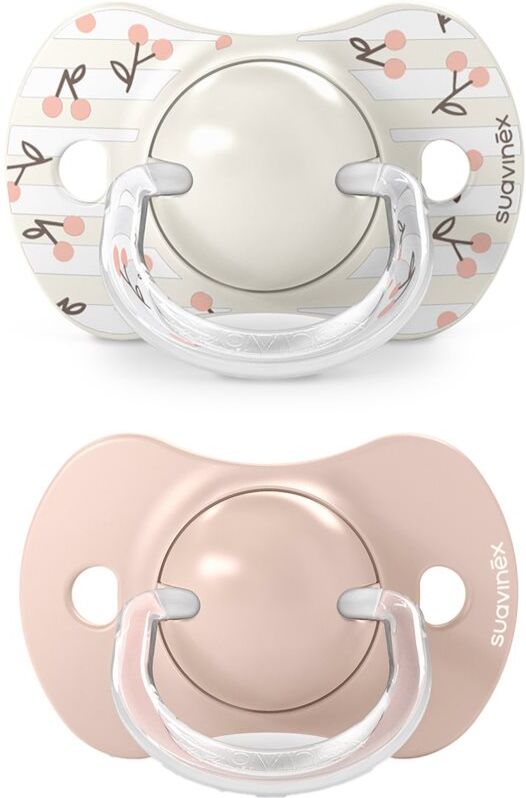

Similar search terms for Suavinex-Birdies-Anatomical-Silicone
Top-Angebote
Products related to Suavinex-Birdies-Anatomical-Silicone:
-
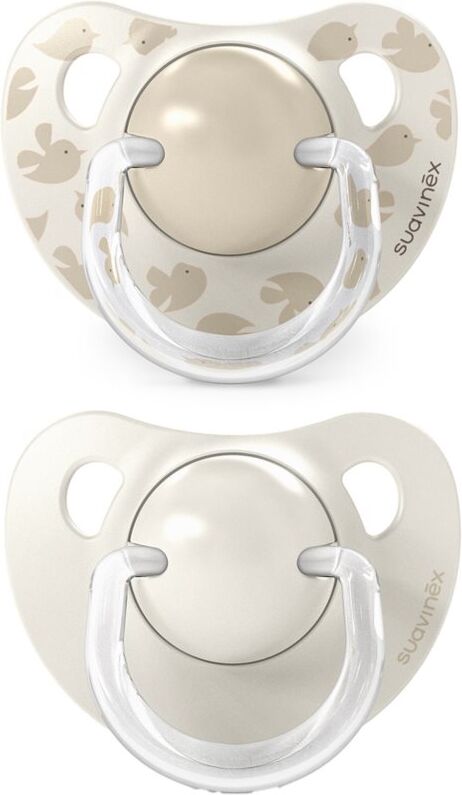
Suavinex Birdies Anatomical Silicone 6-18m tétine Cream 2 pcsSuavinex Birdies Anatomical Silicone 6-18m, 2 pcs, Tétines pour enfant, Optez pour un moyen d'apaiser votre bébé largement testé et approuvé. La tétine Suavinex Birdies Anatomical Silicone 6-18m procure instantanément à votre bébé un sentiment de sécurité. Elle deviendra rapidement un accessoire pratique et utile au quotidien. Le produit : favorise le bon développement des gencives et des dents s'adapte à la forme du palais de l'enfant bonne aération tétine fine forme symétrique permet au bébé de respirer par le nez et d’avaler sa salive n’interfère pas avec le réflexe de succion Composition du produit : silicone Mode d’emploi : Choisissez toujours une tétine dont la taille est adaptée à l’âge de votre bébé.7,22 €*Shipping: 3,45 €Secure redirect to the provider
-
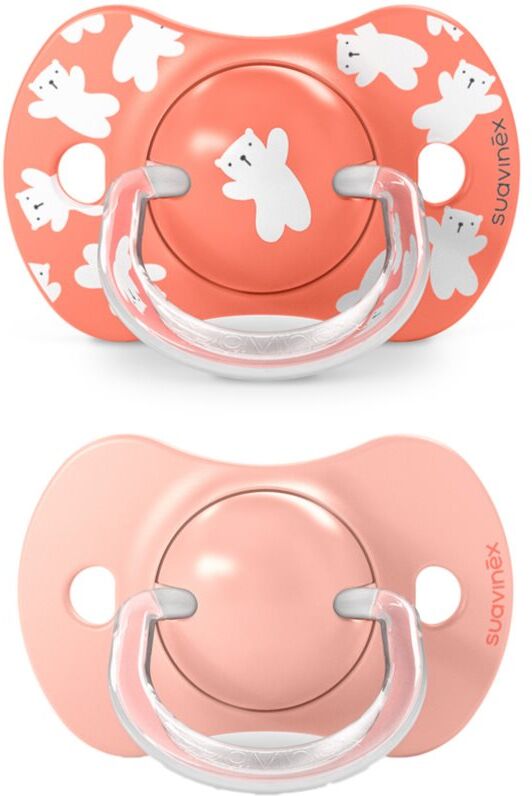
Suavinex Wild & Free Anatomical Silicone 18m+ tétine Pink 2 pcsSuavinex Wild & Free Anatomical Silicone 18m+, 2 pcs, Tétines pour enfant, Optez pour un moyen d'apaiser votre bébé largement testé et approuvé. La tétine Suavinex Wild & Free Anatomical Silicone 18m+ procure instantanément à votre bébé un sentiment de sécurité. Elle deviendra rapidement un accessoire pratique et utile au quotidien. Le produit : favorise le bon développement des gencives et des dents s'adapte à la forme du palais de l'enfant bonne aération tétine fine facile à attacher au clip Composition du produit : silicone Mode d’emploi : Choisissez toujours une tétine dont la taille est adaptée à l’âge de votre bébé.6,84 €*Shipping: 3,45 €Secure redirect to the provider
-
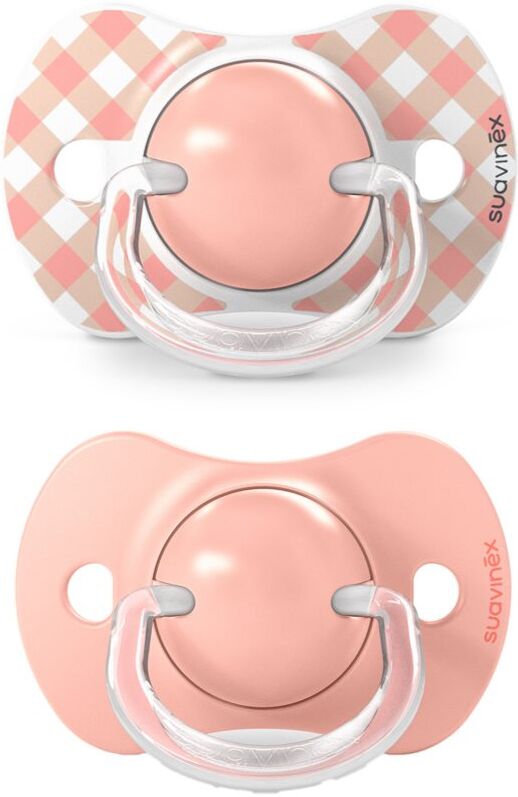
Suavinex Wild & Free Anatomical Silicone 6-18m tétine Cream 2 pcsSuavinex Wild & Free Anatomical Silicone 6-18m, 2 pcs, Tétines pour enfant, Optez pour un moyen d'apaiser votre bébé largement testé et approuvé. La tétine Suavinex Wild & Free Anatomical Silicone 6-18m procure instantanément à votre bébé un sentiment de sécurité. Elle deviendra rapidement un accessoire pratique et utile au quotidien. Le produit : favorise le bon développement des gencives et des dents bonne aération s'adapte à la forme du palais de l'enfant tétine fine prévient le réflexe de morsure de la tétine permet au bébé de respirer par le nez et d’avaler sa salive forme orthodontique Composition du produit : silicone Mode d’emploi : Choisissez toujours une tétine dont la taille est adaptée à l’âge de votre bébé.6,75 €*Shipping: 3,45 €Secure redirect to the provider

-
What are anatomical physiological adaptations?
Anatomical physiological adaptations refer to changes in the structure and function of an organism's body in response to environmental pressures. These adaptations can include changes in organ size, shape, and function, as well as alterations in physiological processes such as metabolism, circulation, and respiration. These adaptations allow an organism to better survive and thrive in its specific environment, and can be the result of natural selection over many generations. Examples of anatomical physiological adaptations include the development of specialized respiratory systems in aquatic animals, or the ability of desert animals to conserve water. **
-
What does the term anatomical features mean?
Anatomical features refer to the physical structures and characteristics of an organism's body, such as its bones, muscles, organs, and tissues. These features are unique to each species and play a crucial role in determining the function and capabilities of the organism. By studying anatomical features, scientists can gain insights into the evolutionary history, behavior, and adaptations of different species. **
-
What are morphological, physiological, and anatomical adaptations?
Morphological adaptations refer to physical features or structures that have evolved to help an organism survive in its environment, such as the shape of a bird's beak for feeding. Physiological adaptations are changes in an organism's internal functions, such as the ability of certain animals to regulate body temperature in extreme environments. Anatomical adaptations involve changes in the internal structure of an organism, such as the presence of specialized organs or tissues for specific functions, like the gills of fish for breathing underwater. These adaptations all help organisms to better survive and thrive in their specific habitats. **
-
Does silicone stick to silicone?
Yes, silicone does stick to silicone. When two silicone surfaces come into contact, they tend to adhere to each other due to their similar chemical composition. This property makes silicone a popular material for creating airtight seals and bonding silicone-based products together. **

What is an anatomical bridle from Claridge House?
An anatomical bridle from Claridge House is a specialized type of bridle designed to provide maximum comfort and functionality for the horse. It is crafted with the horse's anatomy in mind, featuring a unique shape and design to reduce pressure points and allow for freedom of movement. These bridles are often made with high-quality materials and precision to ensure a proper fit and optimal performance for the horse. **
Can I apply silicone on silicone?
It is generally not recommended to apply new silicone on top of existing silicone. The new silicone may not adhere properly to the old silicone, leading to potential issues with adhesion and durability. It is best to remove the old silicone completely before applying a new layer to ensure a proper bond and a long-lasting seal. **
Top-Angebote
Products related to Suavinex-Birdies-Anatomical-Silicone:
-
Suavinex Birdies Anatomical Silicone 0-6m tétine Green 2 pcsSuavinex Birdies Anatomical Silicone 0-6m, 2 pcs, Tétines pour enfant, Optez pour un moyen d'apaiser votre bébé largement testé et approuvé. La tétine Suavinex Birdies Anatomical Silicone 0-6m procure instantanément à votre bébé un sentiment de sécurité. Elle deviendra rapidement un accessoire pratique et utile au quotidien. Le produit : favorise le bon développement des gencives et des dents s'adapte à la forme du palais de l'enfant bonne aération tétine fine permet au bébé de respirer par le nez et d’avaler sa salive Composition du produit : silicone Mode d’emploi : Choisissez toujours une tétine dont la taille est adaptée à l’âge de votre bébé.7,31 €*Shipping: 3,45 €Secure redirect to the provider
-
Suavinex Birdies Anatomical Silicone 6-18m tétine Cream 2 pcsSuavinex Birdies Anatomical Silicone 6-18m, 2 pcs, Tétines pour enfant, Optez pour un moyen d'apaiser votre bébé largement testé et approuvé. La tétine Suavinex Birdies Anatomical Silicone 6-18m procure instantanément à votre bébé un sentiment de sécurité. Elle deviendra rapidement un accessoire pratique et utile au quotidien. Le produit : favorise le bon développement des gencives et des dents s'adapte à la forme du palais de l'enfant bonne aération tétine fine forme symétrique permet au bébé de respirer par le nez et d’avaler sa salive n’interfère pas avec le réflexe de succion Composition du produit : silicone Mode d’emploi : Choisissez toujours une tétine dont la taille est adaptée à l’âge de votre bébé.7,22 €*Shipping: 3,45 €Secure redirect to the provider
-
Suavinex Wild & Free Anatomical Silicone 18m+ tétine Pink 2 pcsSuavinex Wild & Free Anatomical Silicone 18m+, 2 pcs, Tétines pour enfant, Optez pour un moyen d'apaiser votre bébé largement testé et approuvé. La tétine Suavinex Wild & Free Anatomical Silicone 18m+ procure instantanément à votre bébé un sentiment de sécurité. Elle deviendra rapidement un accessoire pratique et utile au quotidien. Le produit : favorise le bon développement des gencives et des dents s'adapte à la forme du palais de l'enfant bonne aération tétine fine facile à attacher au clip Composition du produit : silicone Mode d’emploi : Choisissez toujours une tétine dont la taille est adaptée à l’âge de votre bébé.6,84 €*Shipping: 3,45 €Secure redirect to the provider
-
What are anatomical adaptations?
Anatomical adaptations are physical characteristics or features of an organism that have evolved over time to help it survive and thrive in its environment. These adaptations can include changes in the size, shape, structure, or function of body parts such as limbs, organs, or sensory organs. Anatomical adaptations are often the result of natural selection, where individuals with traits that are better suited to their environment are more likely to survive and reproduce, passing on those advantageous traits to future generations. These adaptations can help organisms to obtain food, avoid predators, find mates, and generally improve their chances of survival and reproductive success. **
-
What is the simple explanation for anatomical morphological homology and anatomical morphological analogy?
Anatomical morphological homology refers to similarities in the structure of different organisms that are inherited from a common ancestor. These similarities are due to shared evolutionary history and can help scientists understand the relationships between different species. On the other hand, anatomical morphological analogy refers to similarities in structure between different organisms that are not due to shared ancestry but rather to similar environmental pressures leading to convergent evolution. This means that organisms develop similar traits independently in response to similar environmental challenges. **
-
What are anatomical physiological adaptations?
Anatomical physiological adaptations refer to changes in the structure and function of an organism's body in response to environmental pressures. These adaptations can include changes in organ size, shape, and function, as well as alterations in physiological processes such as metabolism, circulation, and respiration. These adaptations allow an organism to better survive and thrive in its specific environment, and can be the result of natural selection over many generations. Examples of anatomical physiological adaptations include the development of specialized respiratory systems in aquatic animals, or the ability of desert animals to conserve water. **
-
What does the term anatomical features mean?
Anatomical features refer to the physical structures and characteristics of an organism's body, such as its bones, muscles, organs, and tissues. These features are unique to each species and play a crucial role in determining the function and capabilities of the organism. By studying anatomical features, scientists can gain insights into the evolutionary history, behavior, and adaptations of different species. **
Similar search terms for Suavinex-Birdies-Anatomical-Silicone
-
Suavinex Wild & Free Anatomical Silicone 6-18m tétine Cream 2 pcsSuavinex Wild & Free Anatomical Silicone 6-18m, 2 pcs, Tétines pour enfant, Optez pour un moyen d'apaiser votre bébé largement testé et approuvé. La tétine Suavinex Wild & Free Anatomical Silicone 6-18m procure instantanément à votre bébé un sentiment de sécurité. Elle deviendra rapidement un accessoire pratique et utile au quotidien. Le produit : favorise le bon développement des gencives et des dents bonne aération s'adapte à la forme du palais de l'enfant tétine fine prévient le réflexe de morsure de la tétine permet au bébé de respirer par le nez et d’avaler sa salive forme orthodontique Composition du produit : silicone Mode d’emploi : Choisissez toujours une tétine dont la taille est adaptée à l’âge de votre bébé.6,75 €*Shipping: 3,45 €Secure redirect to the provider
-
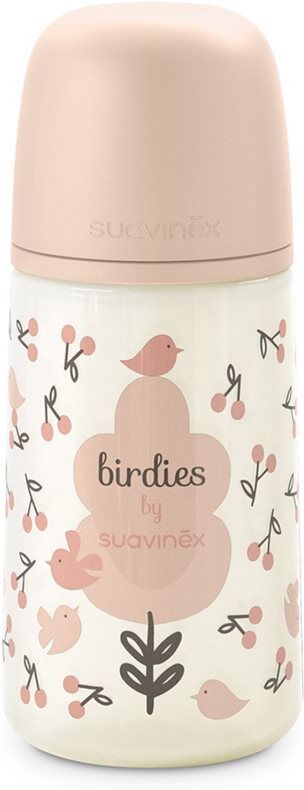
Suavinex Birdies Anticolic Baby Bottle biberon Pink 270 mlSuavinex Birdies Anticolic Baby Bottle, 270 ml, Biberons pour enfant, Lorsque vous ne pouvez pas allaiter bébé, vous pouvez compter sur le biberon Suavinex Birdies Anticolic Baby Bottle. La forme spécialement adaptée de la tétine et du biberon donne au bébé la même sensation que lorsqu'il est nourrit directement par la mère. Le produit : système de purge efficace le large col permet un remplissage et un nettoyage facile tétine en silicone fond équipé de trous de ventilation : permet de réduire le risque de coliques permet à l'enfant de boire dans le calme et la décontraction aide à réduire la fréquence des coliques doux pour les dents et les gencives des enfants design intemporel et élégant en silicone souple Mode d’emploi : Ce produit est compatible avec la série SX PRO.9,02 €*Shipping: 3,45 €Secure redirect to the provider
-
What are morphological, physiological, and anatomical adaptations?
Morphological adaptations refer to physical features or structures that have evolved to help an organism survive in its environment, such as the shape of a bird's beak for feeding. Physiological adaptations are changes in an organism's internal functions, such as the ability of certain animals to regulate body temperature in extreme environments. Anatomical adaptations involve changes in the internal structure of an organism, such as the presence of specialized organs or tissues for specific functions, like the gills of fish for breathing underwater. These adaptations all help organisms to better survive and thrive in their specific habitats. **
-
Does silicone stick to silicone?
Yes, silicone does stick to silicone. When two silicone surfaces come into contact, they tend to adhere to each other due to their similar chemical composition. This property makes silicone a popular material for creating airtight seals and bonding silicone-based products together. **
-
What is an anatomical bridle from Claridge House?
An anatomical bridle from Claridge House is a specialized type of bridle designed to provide maximum comfort and functionality for the horse. It is crafted with the horse's anatomy in mind, featuring a unique shape and design to reduce pressure points and allow for freedom of movement. These bridles are often made with high-quality materials and precision to ensure a proper fit and optimal performance for the horse. **
-
Can I apply silicone on silicone?
It is generally not recommended to apply new silicone on top of existing silicone. The new silicone may not adhere properly to the old silicone, leading to potential issues with adhesion and durability. It is best to remove the old silicone completely before applying a new layer to ensure a proper bond and a long-lasting seal. **
* All prices are inclusive of VAT and, if applicable, plus shipping costs. The offer information is based on the details provided by the respective shop and is updated through automated processes. Real-time updates do not occur, so deviations can occur in individual cases. ** Note: Parts of this content were created by AI.